
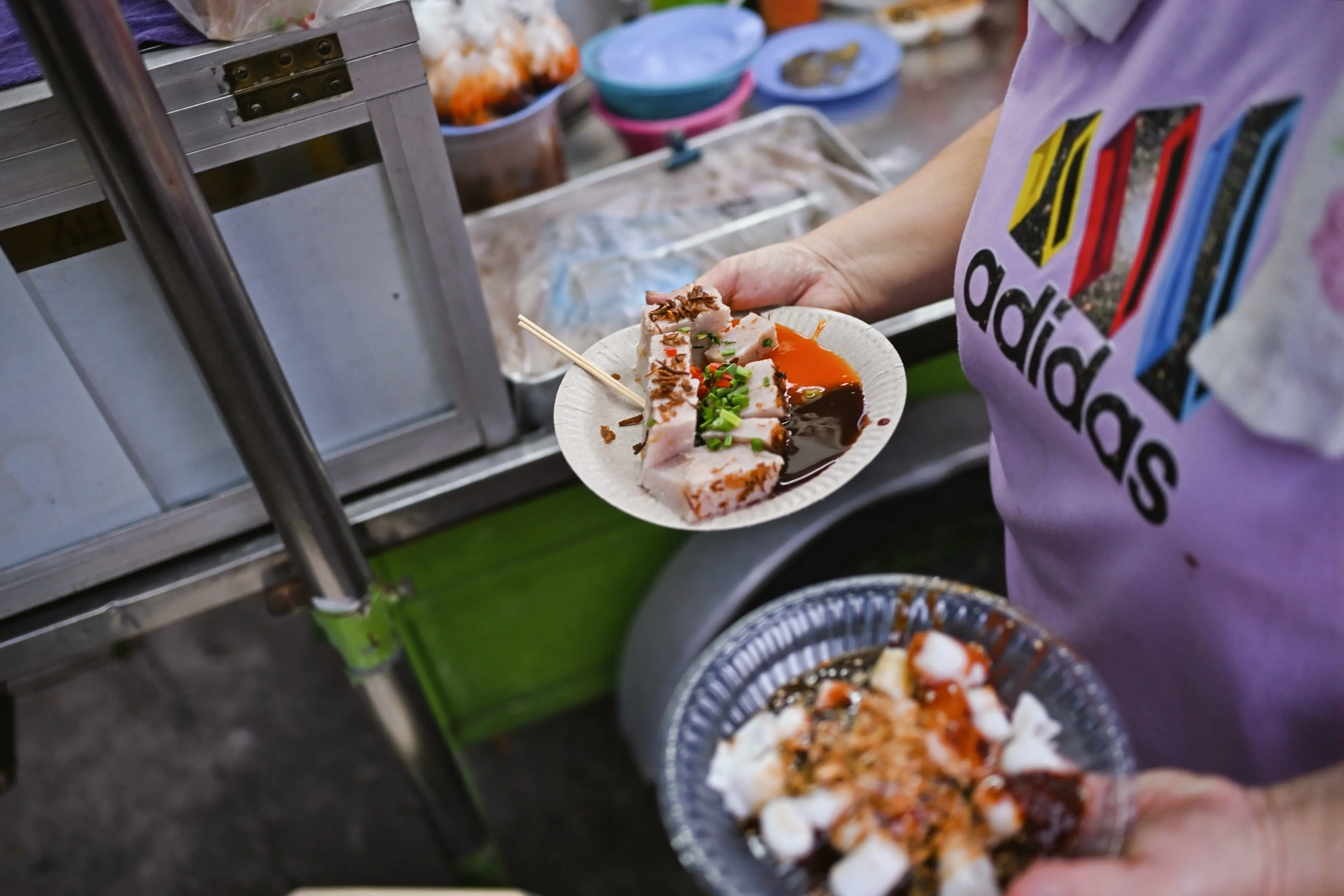
Where to Eat Vegetarian Food in Penang (Without Getting It Wrong)
The Vegetarian's Guide to Penang You are standing at a hawker stall in George Town.
The Vegetarian's Guide to Penang
You are standing at a hawker stall in George Town. The steam rising from the wok smells like a meal you have been waiting years to eat. You ask the vendor if the noodles are vegetarian. He shrugs. You cannot tell if that means yes or if he does not understand. You walk away hungry.
This happens to vegetarian visitors in Penang every day. The island has some of the best street food in Malaysia, but not all of it is vegetarian. The good news is that Penang also has one of the strongest vegetarian food scenes in the country. You just need to know which traditions to eat from and which areas to head to.
The Three Vegetarian Food Systems of Penang
Penang has three separate vegetarian food systems running alongside each other. Each one works differently.
Chinese Buddhist vegetarian (素食): These stalls are strict. No meat, no seafood, no eggs, no dairy, and no pungent roots (onion, garlic, leeks, chives, spring onion). They are the safest option for any vegetarian. Look for the 素食 sign in Chinese characters on yellow or green banners. These stalls are concentrated in George Town's Chinese neighbourhoods and near temples.
South Indian vegetarian: Indian banana leaf rice stalls serve vegetable curries that are naturally plant-based. They use onion, garlic, ghee, and dairy. At a banana leaf restaurant, your plate is a fresh banana leaf. Rice is served in the centre and vegetable curries are ladled around it. Tell the server "saya vegetarian" and they will give you the vegetable options.
Indian-Muslim and Malay vegetarian options: These exist but require more work. Most Malay vegetable dishes contain belacan (shrimp paste). Most Mamak stalls use ghee. You can find vegetarian options here, but you need to ask specific questions.
Chulia Street: Vegetarian Hawkers After Dark
Chulia Street is George Town's main food strip. It is best known for char kway teow and nasi kandar, but the street also has several 素食 stalls that operate in the evening.
The vegetarian stall at the northern end of Chulia Street, near the junction with Lebuh Kimberley, serves a vegetarian laksa that uses a mushroom and soy-based broth instead of the traditional mackerel base. It is not the same as the Penang laksa you came to try, but it is its own thing: a fragrant, tangy soup with rice vermicelli, tofu puffs, and fresh mint. The broth is lighter than the fish version and lets the lemongrass and torch ginger come through more clearly.
Further down the same street, a Chinese vegetarian stall operates from a kopitiam frontage. They serve rice with three vegetable dishes of your choice. The dishes change daily. The mock meat options here are made from yuba and mushroom and are convincing enough that locals queue for them alongside meat-eaters.
Kapitan Keling Area: Where Indian Vegetarian Food Lives
The area around Kapitan Keling Mosque has the highest concentration of Indian food in George Town. This is where you find banana leaf rice restaurants that have been serving the local community for decades.
The banana leaf rice at the stalls on Lebuh Kapitan Keling is the best option for vegetarians in this area. Rice is served on a banana leaf. The server brings vegetable curries: dal, cabbage, okra, and a vegetable stir-fry that changes with the market. The curries use coconut milk and are naturally vegetarian. Tell the server you are vegetarian and they will avoid giving you fish curry. A full plate costs RM 6 to RM 8.
The thosai stalls in this area are also vegetarian-friendly. Thosai is a crispy rice and lentil crepe served with sambar and coconut chutney. The plain thosai and the rava thosai contain no animal products. The masala thosai is stuffed with potato and onion. All of these work for lacto-vegetarians.
Cendol in the Kapitan Keling area is available at a stall near the mosque. The standard version uses coconut milk, which is plant-based. Ask for "cendol tanpa susu" (cendol without milk) to avoid any dairy addition. The green rice flour jelly, coconut milk, and gula melaka syrup are all naturally vegetarian.
Air Itam: Food near the Temple
Air Itam is the area around the Kek Lok Si Temple, Penang's largest Buddhist temple. The vegetarian food here is made to Buddhist standards. The temple canteen and the surrounding stalls all display the 素食 sign.
The temple canteen at Kek Lok Si serves a vegetarian lunch buffet. The selection includes mock meat dishes, stir-fried vegetables, soups, and rice. The food is simple and follows Buddhist precepts. A plate costs around RM 5. The canteen is open during temple hours.
The stalls on the road leading up to the temple serve vegetarian versions of Penang classics. The vegetarian rojak here is made without shrimp paste. Instead, a thick sweet sauce made from fermented soy bean paste is used. The fruit and vegetable mix is the same: unripe mango, pineapple, cucumber, and turnip, topped with crushed peanuts. The flavour is different from the standard rojak, sweeter and less sharp, but it stands on its own.
What to Order and What to Skip
Safe to order at 素食 stalls: Everything on the menu. Vegetarian laksa, vegetarian char kway teow (made without lard, eggs, or prawns), mock meat dishes, rice with vegetable curries.
Safe to order at Indian stalls: Banana leaf rice with vegetable curries, plain thosai, rava thosai, idli, vada, pongal. Ask for no ghee if you avoid dairy.
Tricky at Malay stalls: Nasi lemak (sambal contains belacan), kangkung belacan (shrimp paste), laksa (shrimp paste in broth). Skip these unless you are at a 素食 stall.
Tricky at Chinese stalls: Char kway teow (lard and prawns), Hokkien mee (pork and prawn broth), wan tan mee (pork). These are safe only at 素食 stalls.
The Simple Rule
Look for the 素食 sign. It is the most reliable indicator of vegetarian food in Penang. Every stall with this sign has a kitchen set up for vegetarian cooking. No questions, no negotiations, no accidents. You can search for 素食 on Google Maps and find stalls that an English search for "vegetarian" will miss entirely.
The Buddhist vegetarian tradition has been feeding Penang's community for generations. The stalls are not new. They are not trendy. They have been here, quietly serving food that works for vegetarians, since long before the island became known for its street food.
The Simply Enak food tours in Penang visit several of these stalls and know which vendors to take you to. No translation needed, no surprises, just the food that actually works for you.
Love what you just read?
Stay in the loop, add Simply Enak to your Google favorites so you never miss a story.
Ready to taste these flavours yourself?
Join a Simply Enak food tour in Kuala Lumpur or Penang. Small groups, local guides, authentic experiences since 2011.
Pauline
Simply Enak Food Experiences
Pauline has been guiding food tours in Malaysia since 2011, sharing hidden gems and family-run stalls with travellers from around the world.
You might also like