Penang Markets Worth Waking Up Early For
A Local's Guide to Penang's Markets Penang's markets are older than the state itself in some cases.
Pauline
Simply Enak
A Local's Guide to Penang's Markets
Penang's markets are older than the state itself in some cases. Chowrasta Market has been operating since the 1890s. Air Itam market has been feeding the hillside communities for over a century. The night markets at Batu Ferringhi are newer, but the stallholders bring the same family recipes that have been passed down through generations.
Shopping at a Penang market is a different experience from the KL equivalent. The island's markets are smaller, more concentrated, and the food is more specific to Penang's particular mix of Malay, Chinese, Nyonya, and Indian cultures. This guide covers the four essential markets and what to eat at each.
Chowrasta Market: George Town's Market Heart
Chowrasta Market sits at the intersection of Penang Road and Lebuh Tamil, a five-minute walk from the Komtar transport hub. It has been the main market of George Town since the British colonial era. The building is a 1970s concrete structure, but the market has occupied this site for over 130 years.
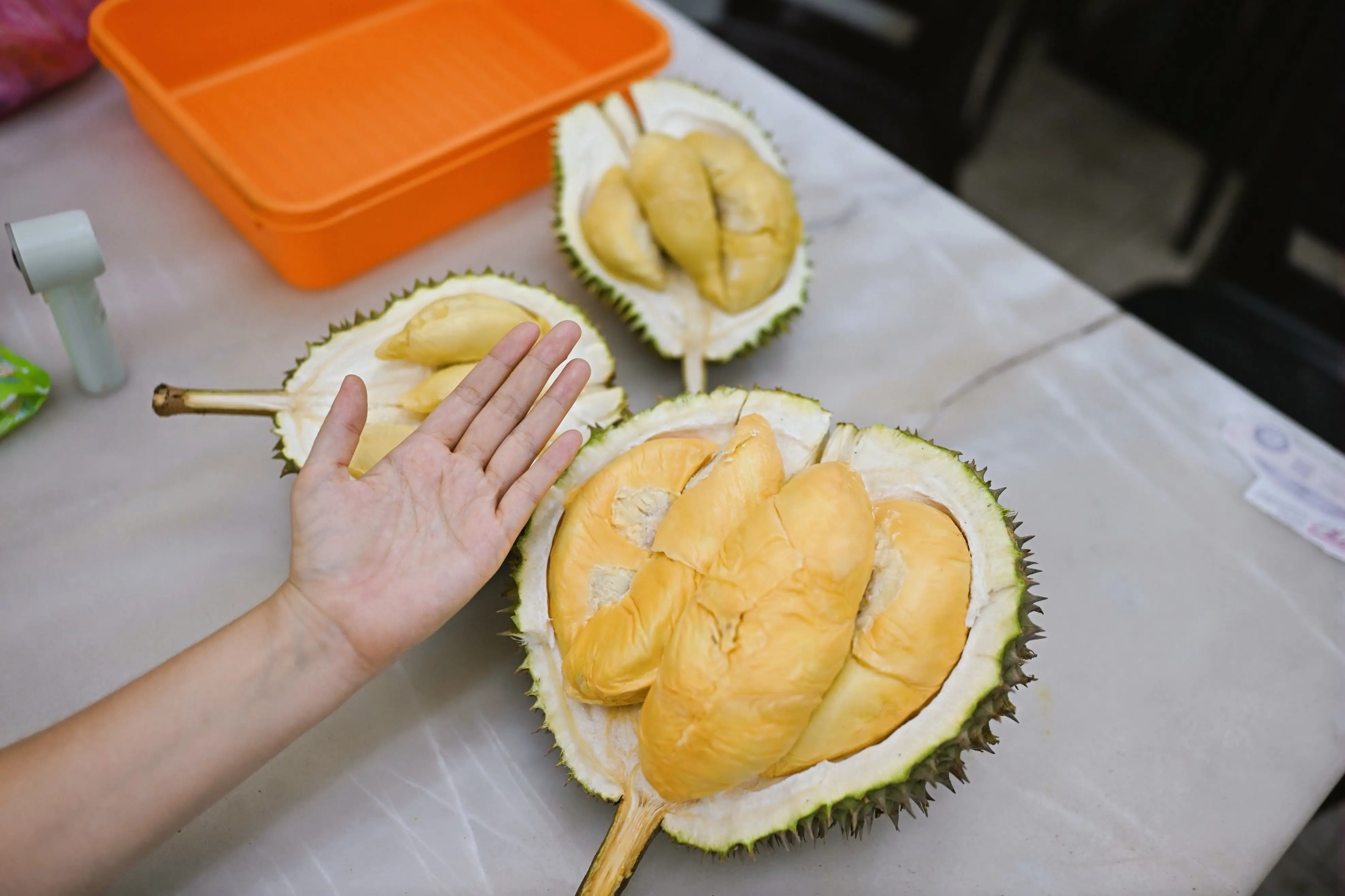
The ground floor is a wet market with fresh produce, meat, and seafood. The vendors here supply most of the restaurants in George Town. The fruit section is the best in the city for tropical fruit : durian, mangosteen, cempedak, and the tiny sweet bananas (pisang emas) that Penang is known for.
The upper floor and the surrounding streets are where the food action is. This is where you find the market food that Penangites have been eating for generations.
Pasembur is a Penang-specific salad of shredded cucumber, turnip, bean sprouts, prawn fritters, and tofu, served with a thick sweet potato and chilli sauce. The sauce is the defining element : it is sweet, spicy, and slightly nutty, nothing like the peanut sauce used in rojak. The pasembur stall at the entrance to the upper floor of Chowrasta has been run by the same family since the 1950s. The current owner is the granddaughter of the original vendor. She makes the sauce fresh each morning. RM 5 for a regular portion.
Rojak in Penang is made with a darker, thicker shrimp paste sauce than the KL version. Local fruits : unripe mango, jambu air (wax apple), papaya, pineapple : are mixed with cucumber and turnip, tossed in the sauce, and topped with crushed peanuts and toasted sesame seeds. The rojak stall near the Penang Road entrance has a queue that snakes around the corner by lunchtime. The secret is the belacan : the owner sources it from a specific supplier in Balik Pulau and toasts it himself before grinding it into the sauce.
Asam laksa at Chowrasta is served by a stall on the lower level that has no name and no sign. You find it by following the smell of tamarind and fish broth. The owner starts cooking at 8 AM and is usually sold out by 1 PM. The broth is thick, intensely sour, and packed with shredded mackerel. It is the real deal, and it costs RM 4.50.
Nutmeg is a Penang specialty. Chowrasta Market has several stalls selling preserved nutmeg strips, nutmeg juice (air buah pala), and nutmeg pickles. The preserved nutmeg is sweet and chewy, served as a snack or added to drinks. The nutmeg juice is a refreshing, slightly floral drink that is believed to aid digestion. Try a glass at the stall opposite the fish section.
Pulau Tikus Market: Where George Town's Old Families Shop
Pulau Tikus is an older, wealthier neighbourhood in George Town, and its market reflects that. The building is cleaner than Chowrasta, the aisles are wider, and the produce is more carefully curated. This is where George Town's Nyonya families and expatriates do their shopping.
The food section at Pulau Tikus is small but high quality. Two stalls stand out.
Nasi kandar is the dish to order here. Rice served with a selection of curries and sides that you point at from the display. The vendor pours the curry sauce over the rice from a height : a technique called "banjir" (flooding) that mixes the flavours as the sauce lands. The nasi kandar stall at Pulau Tikus has been operating for over thirty years. The fried chicken is cooked in a turmeric batter that stays crispy even after the curry sauce hits it. The okra is stir-fried with dried shrimp. The fish curry uses a sour tamarind base that balances the richness of the coconut milk curries. RM 7 for a full plate.
Mee goreng at the Indian-Muslim stall at the front of the market is a Penang version of the dish : yellower noodles, more tomato sauce in the seasoning, and a spicier finish than the KL version. It is served with a wedge of lime and a side of pickled chillies.
Kuih at Pulau Tikus Market is made by a Nyonya vendor who supplies several restaurants in George Town. Her kuih lapis (layered rice flour cake) has 12 distinct layers, each steamed one at a time. Her ondeh-ondeh (palm sugar balls in grated coconut) are made fresh at 7 AM and sell out by 9 AM. RM 1 per piece.
Air Itam Market: The Hillside Market
Air Itam Market sits at the foot of the hill leading up to Kek Lok Si temple. It is a smaller market than Chowrasta or Pulau Tikus, serving the residential community of Air Itam rather than the whole island. The food here is less polished and more rewarding.
Penang laksa at the Air Itam market is the version that locals argue about. The broth uses more tamarind and less sugar than the George Town versions. The mackerel is shredded by hand, not blended. The noodles are cut wider. The herbs : mint, torch ginger, daun kesum (Vietnamese mint) : are piled on generously. The laksa stall at the back of the market has a handwritten sign and a queue that moves fast. RM 5.
Hokkien char is a Penang stir-fried noodle dish that is less well known than Hokkien mee but equally good. Thick yellow noodles are fried with dark soy sauce, pork belly, squid, and cabbage. The Penang version uses more pork lard than the KL version, giving the noodles a glossy sheen and a savoury depth. The Hokkien char stall at Air Itam market opens at 11 AM and closes when the pork belly runs out.
Cincau is grass jelly drink. The Air Itam version is made from scratch using the leaves of the mesona plant, not from powder. The jelly is darker, firmer, and has a herbal bitterness that the powdered version lacks. Served with shaved ice and evaporated milk. RM 2.
Batu Ferringhi Night Market: The Beach Bazaar
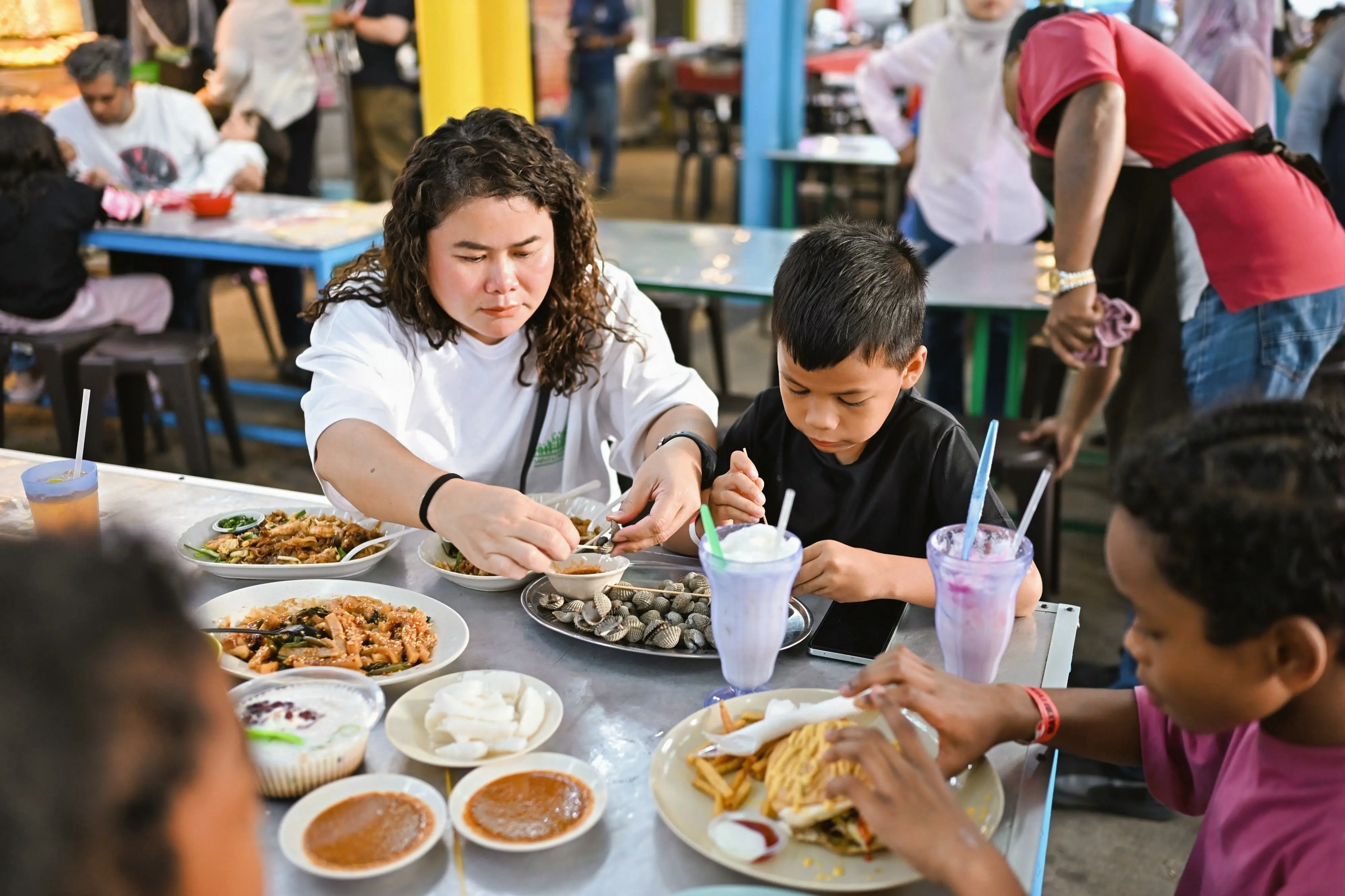
The Batu Ferringhi night market runs along the main beach road every evening from 7 PM. It is the most tourist-heavy market on this list, but it still serves food that Penangites drive across the island for.
The food section is at the eastern end of the market. The offerings lean towards Malay and Malay-Chinese street food, with a few Indian stalls mixed in.
Ikan bakar is the main event. Fresh fish, squid, and prawns displayed on ice. You pick what you want, and the vendor grills it over charcoal while you wait. The stingray (ikan pari) is the best option. It is slathered in sambal, wrapped in banana leaf, and grilled until the flesh is flaky. The sambal at the stall nearest the beach access point is made with fresh chilli, not chilli paste. You can taste the difference. RM 10 for a large piece.
Satay at Batu Ferringhi comes from a Malay vendor who has been at this market for twenty years. The skewers are marinated in turmeric and coconut milk, grilled over coconut charcoal, and served with a peanut sauce that has visible chunks of peanut. The ketupat (compressed rice cakes) that come with it are wrapped in palm leaves and made fresh.
Apam balik at the night market is made on a large cast-iron griddle. The vendor spreads the batter thin, sprinkles sweet corn and crushed peanuts across it, folds it, and cuts it into wedges. The edges are lacy and crisp. The centre is soft and sweet. RM 3.
Cendol from the Malay stall near the market midpoint uses fresh pandan jelly and coconut milk that the vendor extracts by hand. The gula melaka is sourced from a supplier in Balik Pulau who has been tapping the same palm trees for thirty years.
Practical Market Tips for Penang
Cash is required at every market on this list. No stall accepts cards. ATMs are available at the Komtar shopping centre near Chowrasta and at the 7-Eleven on Batu Ferringhi main road.
Chowrasta and Pulau Tikus are morning markets. Go between 7 AM and 10 AM for the best selection and the freshest food. Air Itam market is active from 8 AM to 2 PM. Batu Ferringhi is an evening market : do not arrive before 6:30 PM.
The fruit at Chowrasta is cheaper than the supermarket, but check for ripeness. The vendors are honest about quality : a good vendor will tell you if a fruit is not ready to eat.
If a stall has a queue, join it. Penangites know their market food. A queue at 8 AM at a market stall means the food is worth waiting for.
Markets can be overwhelming on a first visit. The Simply Enak Penang market tour visits Chowrasta and Pulau Tikus with a local guide who knows the history of each stall, the best things to order, and the vendors by name. It is the fastest way to go from overwhelmed to eating with confidence.
Ready to taste these flavours yourself?
Join a Simply Enak food tour in Kuala Lumpur or Penang. Small groups, local guides, authentic experiences since 2011.
Pauline
Simply Enak Food Experiences
Pauline has been guiding food tours in Malaysia since 2011, sharing hidden gems and family-run stalls with travellers from around the world.
You might also like
Enjoyed this story? Browse all stories →