Malaysia's Best Wet Markets (What to Buy and What to Eat)
Malaysia's Markets: A Food Lover's Guide Malaysia's markets are not just places to shop. They are where the country's food culture is most alive.
Pauline
Simply Enak
Malaysia's Markets: A Food Lover's Guide
Malaysia's markets are not just places to shop. They are where the country's food culture is most alive. The wet markets supply the restaurants and hawker stalls with fresh ingredients every morning. The night markets feed entire neighbourhoods with cooked food. The hypermarkets are a modern addition, but even they carry the same local produce and spices that have defined Malaysian cooking for centuries.
For a first-time visitor, the market scene can be confusing. There are different types of markets that operate in different ways. This guide covers the three main categories and tells you what to eat at each.
Wet Markets: Where the Day Begins
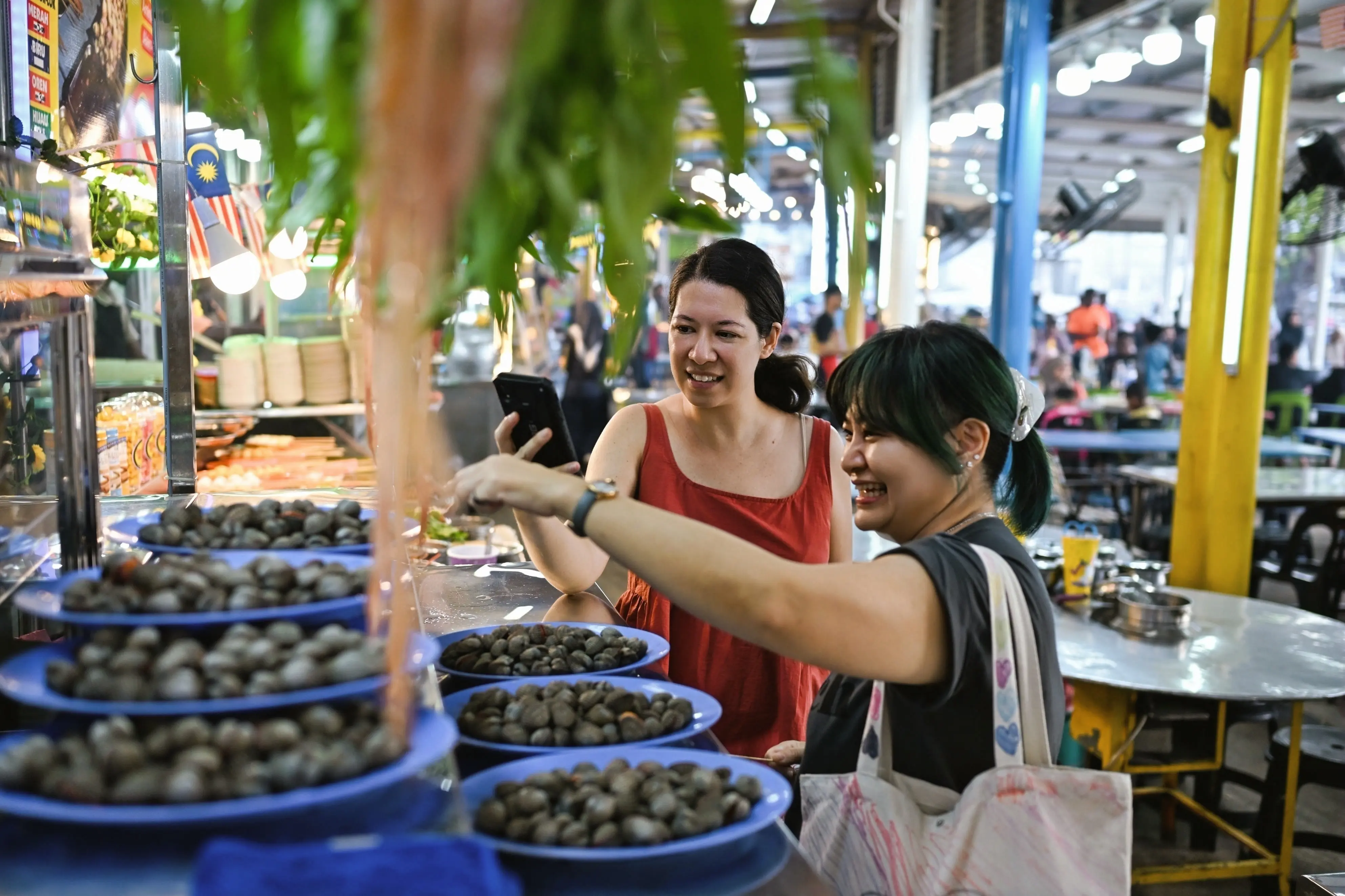
Wet markets are morning markets that sell fresh produce, meat, seafood, and prepared foods. They are called "wet" because the floors are constantly hosed down to keep produce fresh and to wash away the fish scales and vegetable trimmings.
Every Malaysian city has at least one major wet market. The best-known are Chowrasta Market in Penang, Pudu Market in KL, and the market in Ipoh's Old Town. These markets open around 6 AM and are most active between 7 AM and 10 AM. By noon, most vendors have packed up.
What to eat at a wet market: The cooked food section is where the market regulars eat breakfast. Look for the stalls that have queues of older customers. These are the ones that have been feeding the market community for decades.
At Chowrasta Market in George Town, the asam laksa stall on the lower level has no name and no sign. You find it by following the smell of tamarind and fish broth. The owner starts cooking at 8 AM and is usually sold out by 1 PM. The broth is thick, intensely sour, and packed with shredded mackerel. RM 4.50.
At Pudu Market in KL, the morning hawker section serves some of the best wantan mee in the city. The noodles are springy, the char siew is caramelised, and the wantan dumplings are filled with pork and prawn. The stall at the northern end of the food section has been operating since the 1980s.
At the wet market in Ipoh's Old Town, the breakfast stalls serve Ipoh's well-known white coffee and kaya toast. The coffee is roasted with palm oil margarine, giving it a smooth, slightly sweet flavour. The kaya (coconut jam) is made in-house at most stalls.
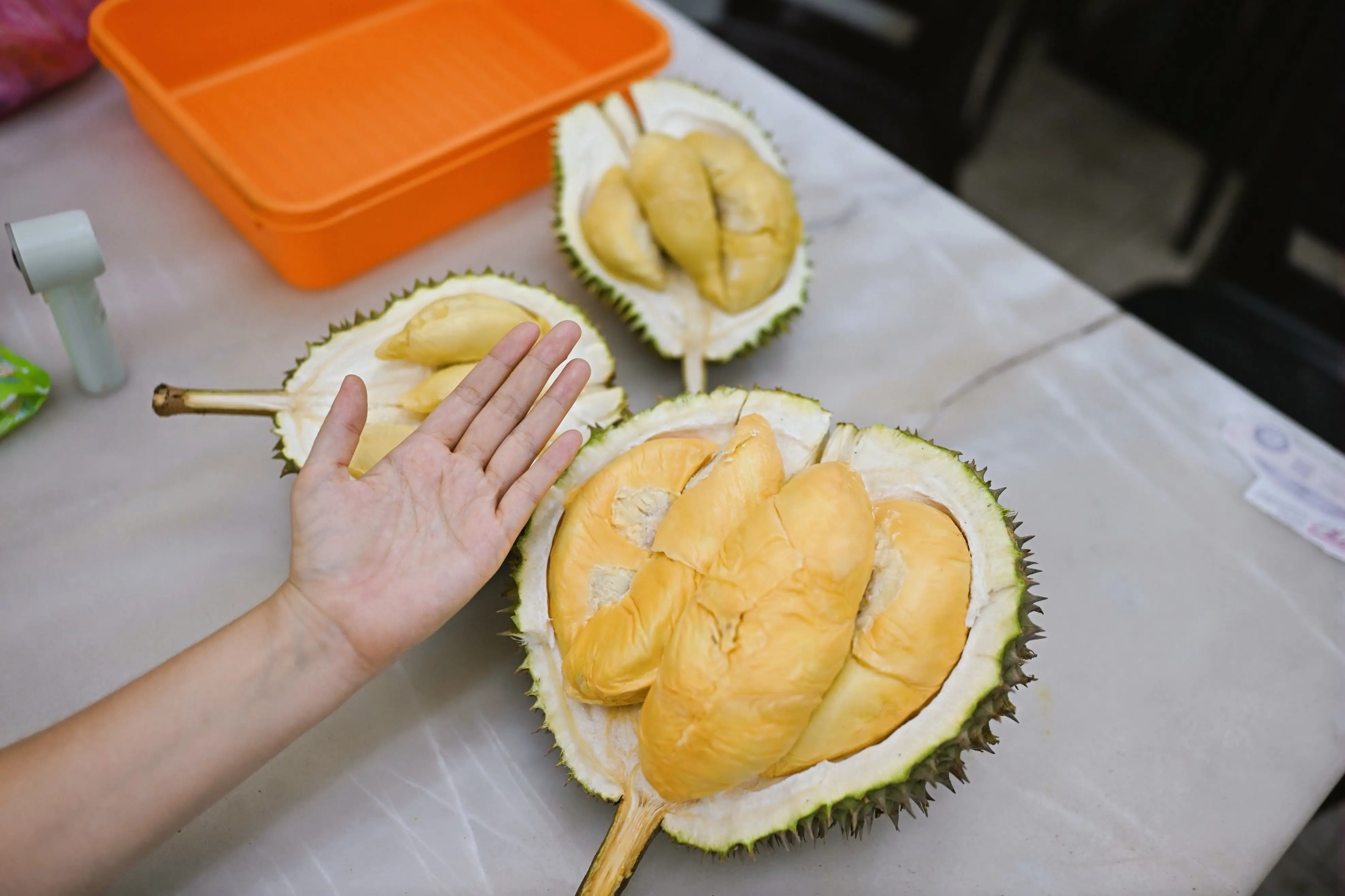
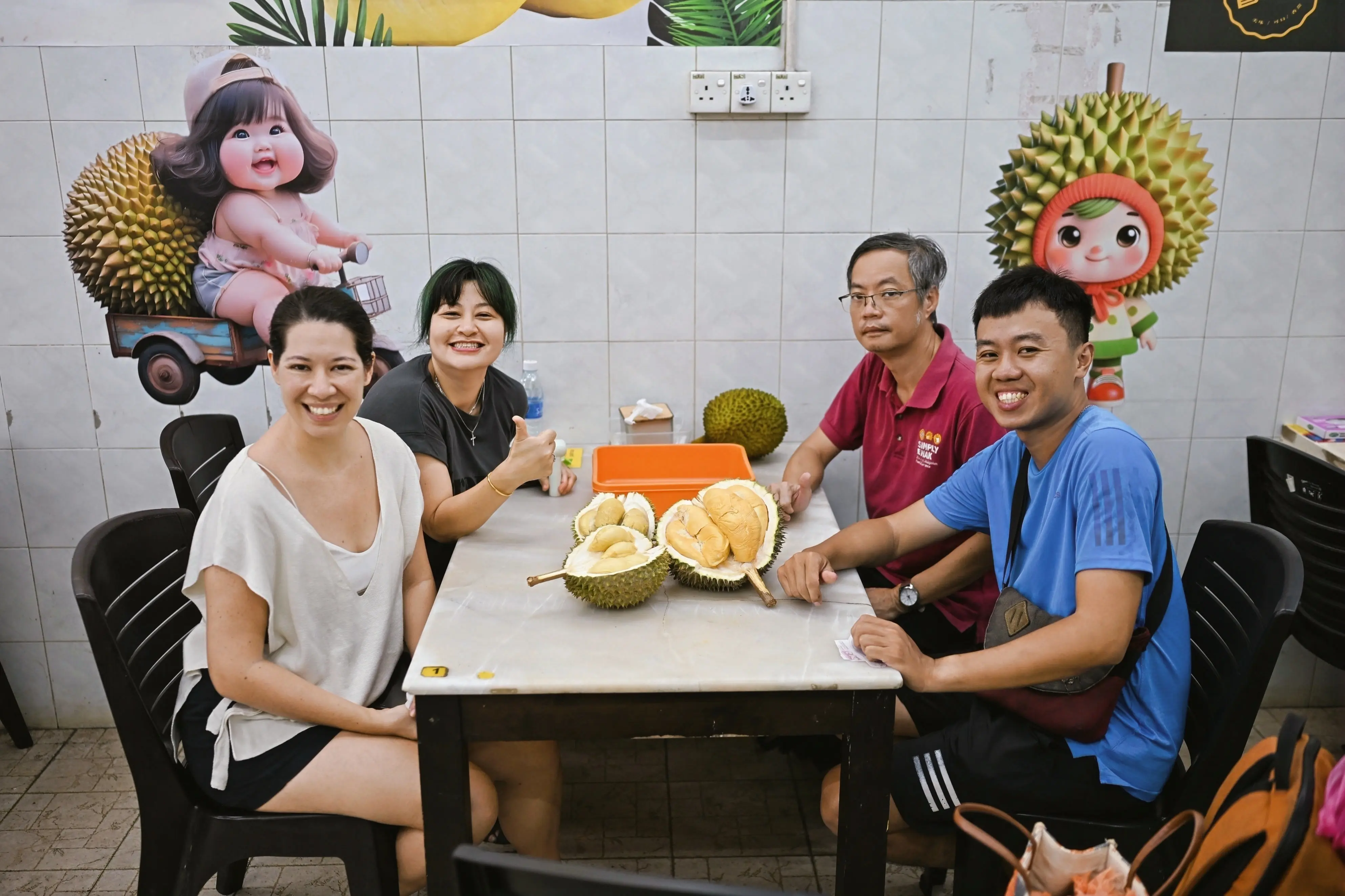
What to buy: Fresh tropical fruit is the best purchase at any wet market. Mangosteen, rambutan, cempedak, and durian are all cheaper and better here than at supermarkets. Let the vendor choose your fruit. They know which are ripe.
Night Markets (Pasar Malam): The Evening Food Scene
Pasar malam (night markets) are temporary markets that set up on a different street each day of the week. They operate from about 4 PM to 10 PM. Each neighbourhood in Malaysia has its own pasar malam schedule.
Pasar malam are different from hawker centres. Hawker centres are permanent and focus on sit-down meals. Pasar malam are mobile and focus on walk-and-eat snacks. The food at a pasar malam is designed to be eaten while standing or walking.
What to eat at a pasar malam:
Apam balik is a thick pancake filled with sweet corn, crushed peanuts, and sugar. The batter is poured into a round cast-iron mould, the filling is added, and the pancake is folded in half. The outside is crisp, the inside is soft, and the filling is warm and sweet. Look for the stall with the largest queue. RM 2.
Keropok lekor is deep-fried fish sausage from the east coast of Malaysia. It is made from mackerel and sago flour, shaped into long rolls, boiled, sliced, and fried. The texture is chewy on the inside and crisp on the outside. It is served with a sweet-spicy chilli dipping sauce. The keropok lekor stall at the KL pasar malam in Taman Connaught is the best-known version.
Satay at a pasar malam is grilled over charcoal in full view. The smoke is the signal. Follow it. Chicken and beef skewers with peanut sauce, cucumber, and ketupat. The satay at pasar malam is cheaper than at hawker centres and the grilling is done in smaller batches.
Fried chicken (ayam goreng) at pasar malam is coated in a turmeric and rice flour batter and fried in deep oil. The skin is shatteringly crisp. The meat stays juicy because the frying time is short. Buy a piece and eat it while walking.
Cendol at a pasar malam is served from a stall with a hand-cranked ice shaver. The ice is fluffier than machine-shaved versions. The coconut milk is fresh. The gula melaka syrup is dark and slightly bitter.
What to buy: Pasar malam are also the best place to buy local snacks to take home. Curry puffs, kuih, and dried anchovies are all available in small bags. The prices are lower than at tourist shops.
The pasar malam schedule: Each day of the week, a different neighbourhood hosts the pasar malam. The best-known night markets are Taman Connaught in KL (Wednesday, the longest in Malaysia), Batu Ferringhi in Penang (nightly during peak season), and Jonker Street in Melaka (weekend evenings).
Hypermarkets: Modern Shopping, Local Food
Hypermarkets are the modern supermarkets that operate across Malaysia. Giant, Lotus's (formerly Tesco), and AEON are the main chains. They are not traditional markets, but they are useful for first-time visitors.
The food courts at hypermarkets serve local food at low prices. The quality is not as high as at hawker centres, but the food is safe, the air-conditioning is welcome, and you can see photos of every dish.
The dry goods section at hypermarkets is a good place to buy local ingredients to take home. Instant laksa paste, sambal, belacan, and rice flour are all available. The prices are lower than at airport shops and the selection is wider.
The Markets to Know
KL: Pudu Market (wet market, morning), Taman Connaught Pasar Malam (night market, Wednesday), Central Market (heritage market, daily).
Penang: Chowrasta Market (wet market, morning), Batu Ferringhi Night Market (evening, peak season), Pulau Tikus Market (wet market, morning).
Ipoh: Ipoh Old Town Market (wet market, morning), Pasir Pinji Pasar Malam (night market, Saturday).
Melaka: Jonker Street Night Market (weekend evenings), Pasar Besar Melaka (wet market, morning).
Kota Kinabalu (Sabah): Gaya Street Sunday Market (morning), Sinsuran Market (seafood, evening).
Kuching (Sarawak): Satok Market (wet market, weekend morning), Main Bazaar Night Market (evening).
The Bottom Line
Malaysia's markets are the best windows into its food culture. Wet markets show you the ingredients that go into the food. Night markets show you how the food is cooked and eaten by locals. Hypermarkets show you how the country shops today.
Visit a wet market in the morning to see what is fresh. Visit a pasar malam in the evening to eat what locals eat. The combination gives you a fuller picture of Malaysian food than any restaurant meal.
The Simply Enak food tours in Malaysia visit several of these markets and take you to the stalls that the market regulars themselves line up for. A local guide makes the difference between walking past the best stall and sitting down at it.
Ready to taste these flavours yourself?
Join a Simply Enak food tour in Kuala Lumpur or Penang. Small groups, local guides, authentic experiences since 2011.
Pauline
Simply Enak Food Experiences
Pauline has been guiding food tours in Malaysia since 2011, sharing hidden gems and family-run stalls with travellers from around the world.
You might also like
Enjoyed this story? Browse all stories →