Gluten-Free Food Guide to Kuala Lumpur
Gluten-Free Guide to Kuala Lumpur You walk past a nasi lemak stall.
Gluten-Free Guide to Kuala Lumpur
You walk past a nasi lemak stall. The rice is coconut-scented, the sambal is bright red, the fried chicken is golden. Everything on display is rice-based. No bread, no pasta, no pastry. You think: this might be easier than I expected.
You are right. Kuala Lumpur is one of the easier Southeast Asian cities for gluten-free eating, not because the city caters to coeliac needs, but because the cuisine is built on rice and rice flour. The problem is not the carbohydrate base. It is the sauces, the marinades, and the hidden ingredients that catch you off guard.
Soy sauce, oyster sauce, belacan (shrimp paste), and wheat-based thickeners appear in dishes that look safe from a distance. This guide covers where to find safe options in KL, which dishes to order, and what to avoid.
The Rice Advantage
Most Malaysian meals are built on rice. Nasi lemak is coconut rice. Nasi kandar is steamed rice with curries. Nasi goreng is fried rice. Banana leaf rice is exactly what it sounds like. These are all naturally gluten-free dishes at their core.
Rice flour is the standard flour in Malaysian cooking. It is used for kuih (traditional cakes), for thosai and idli (Indian rice and lentil crepes), and for the batter on fried chicken and fish. Wheat flour appears in roti canai, wantan noodles, and some kuih, but rice flour is the default.
This means you can eat well in KL without finding a single gluten-free menu. You just need to know which dishes to choose and which questions to ask.
Bangsar: KL's Gluten-Free Friendly Neighbourhood
Bangsar is an expatriate neighbourhood with a food scene that is more aware of dietary requirements than anywhere else in KL. The cafes here label their menus. The staff at most mid-range restaurants understand coeliac disease.
Nasi lemak at the Bangsar night market is a safe option. The rice is coconut rice. The sambal is made from chillies, shallots, and tamarind. The fried chicken is coated in rice flour batter. The anchovies are dried fish. No wheat. No soy sauce. The stall on Jalan Telawi at the entrance to the night market serves a version that has been feeding Bangsar residents for years. Tell the vendor "no keropok" (no crackers) to skip the wheat-based prawn crackers.
Grilled fish (ikan bakar) at the Bangsar seafood stalls is another safe option. Fish is marinated in a spice paste of turmeric, lemongrass, and chilli, wrapped in banana leaf, and grilled. No soy, no flour, no wheat. The grilled stingray (ikan pari) with sambal is the best choice. The sambal is made fresh and contains no wheat.
Satay is naturally gluten-free. Marinated chicken or beef skewers grilled over charcoal, served with peanut sauce. The peanut sauce at most KL stalls is made from ground peanuts, chilli, tamarind, and palm sugar. No wheat. Ask the vendor to confirm "tak guna tepung" (no flour) in the sauce. Most satay stalls use a peanut-only recipe.
Publika: The Conscious Food Hub
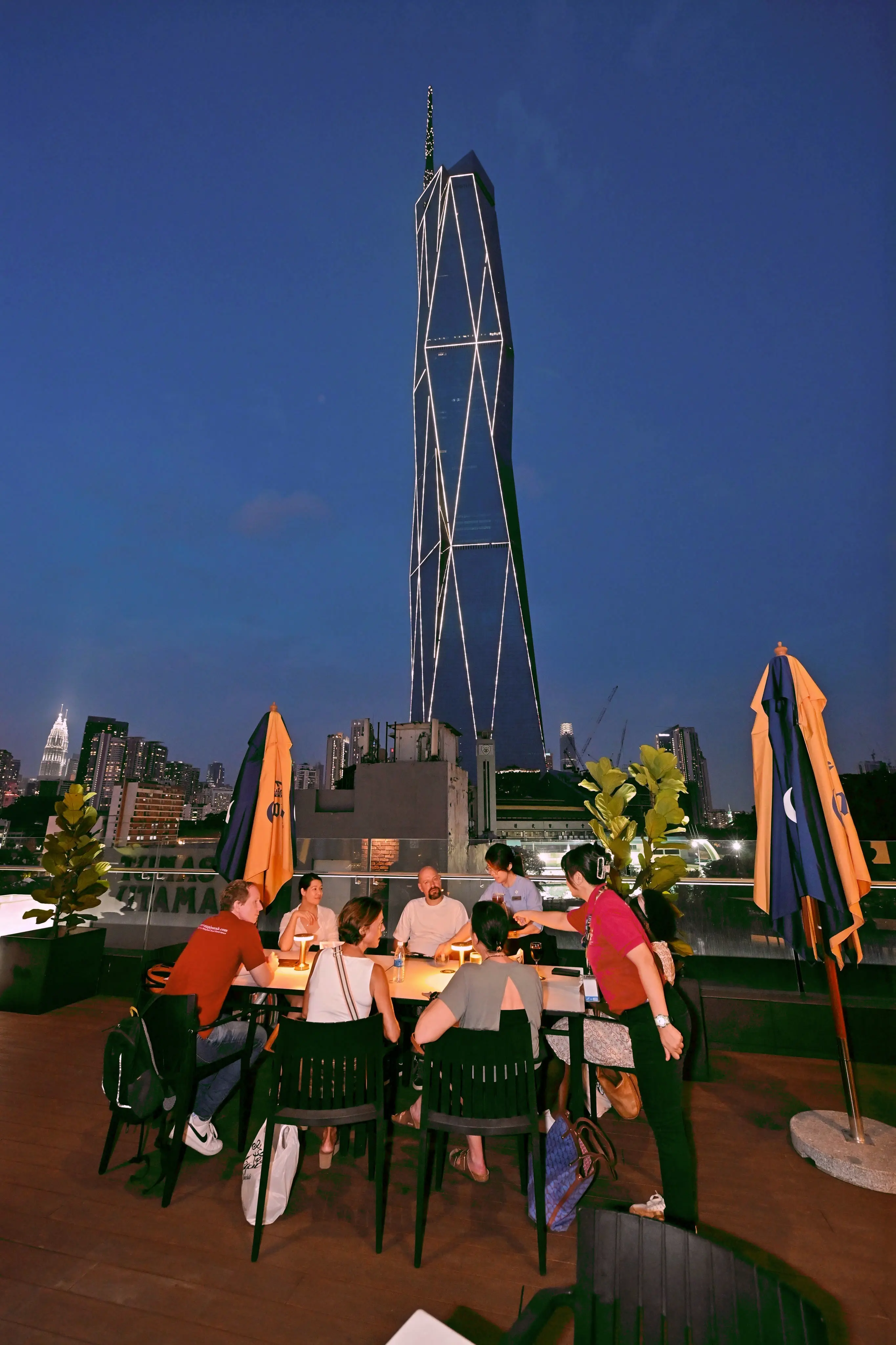
Publika is a creative space in Solaris Dutamas with a food court, restaurants, and cafes. The standard here is higher for dietary awareness. Several stalls in the Publika food court label allergens on their menus.
The Thai stall at Publika serves a papaya salad (som tam) that is gluten-free. Shredded green papaya, tomatoes, long beans, lime, fish sauce, and chilli. No wheat. No soy. The dressing is made fresh to order, and you can ask for it without the crushed peanuts if you need to avoid cross-contamination.
The Vietnamese stall serves pho. Rice noodles in beef broth with herbs and bean sprouts. The broth is simmered with beef bones, ginger, and star anise. No soy, no wheat. The rice noodles are made from rice flour and water. Pho is one of the safest gluten-free options in KL.
The Japanese stall at Publika is trickier. Sushi rice is fine, but the soy sauce served with it contains wheat. Bring your own gluten-free tamari or ask if they have a gluten-free option. The sashimi is safe. The miso soup may contain wheat-based miso. Ask before ordering.
Bukit Bintang: Halal Chinese Options
Bukit Bintang is the tourist and shopping centre of KL. The area has a mix of international and local food, but the best gluten-free options are at the halal Chinese stalls.
Hainanese chicken rice is a safe dish. Poached chicken served with rice cooked in chicken stock and pandan. The chilli sauce is made from fresh chillies, ginger, and lime. No soy, no wheat, no flour. The version at the food court in Lot 10 is reliable. Order it without the dark soy sauce if you are sensitive.
Yong tau foo is another option. Tofu, fish paste, and vegetables served in a clear broth or with rice noodles. The soup version is gluten-free. The dry version may use soy sauce. Order the soup version and ask for no soy sauce. The yong tau foo at the stall in the Bukit Bintang area serves a clear broth that is safe.
The Dishes to Avoid
Char kway teow. Flat rice noodles are naturally GF, but the dish uses dark soy sauce (contains wheat) and is often cooked in the same wok as soy sauce-based dishes. The soy sauce alone makes this a risk.
Hokkien mee. Yellow noodles are wheat-based. The broth uses soy sauce. Skip this one.
Wan tan mee. The noodles are wheat-based. The wantan wrappers are wheat-based. The char siew may contain soy sauce.
Roti canai. Made from wheat flour dough. Not GF.
Curry laksa. The broth can be GF, but some stalls add wheat-based thickeners. Ask specifically.
Soy sauce-based dishes. Anything described as "fried in soy sauce" or "dark sauce" contains wheat unless the stall uses tamari.
The Questions to Ask
In Malay: "Ada guna tepung gandum?" (Does this contain wheat flour?) In Chinese: "Yǒu miànfěn ma?" (Does this contain wheat flour?) In English at most KL stalls: "No wheat, no soy sauce?"
The most useful phrase for coeliac visitors: "Saya tak boleh makan gluten. Gula-gula dalam usus." (I cannot eat gluten. It is in my intestines.) Most KL vendors will not understand the science, but they will understand that you have a medical need.
The Bottom Line
KL is a good city for gluten-free eating if you stick to rice-based dishes from vendors you can trust. Nasi lemak, nasi kandar, grilled fish, satay, thosai, idli, and pho are all naturally gluten-free. The risk is in the sauces, not the base ingredients.
A local guide who understands coeliac needs can take you to the stalls that use safe ingredients and prepare food without cross-contamination. The Simply Enak food tours in Kuala Lumpur work with vendors who are aware of gluten requirements and can adjust their cooking accordingly. No translation needed, no uncertainty, just the food that works for you.
Love what you just read?
Stay in the loop, add Simply Enak to your Google favorites so you never miss a story.
Ready to taste these flavours yourself?
Join a Simply Enak food tour in Kuala Lumpur or Penang. Small groups, local guides, authentic experiences since 2011.
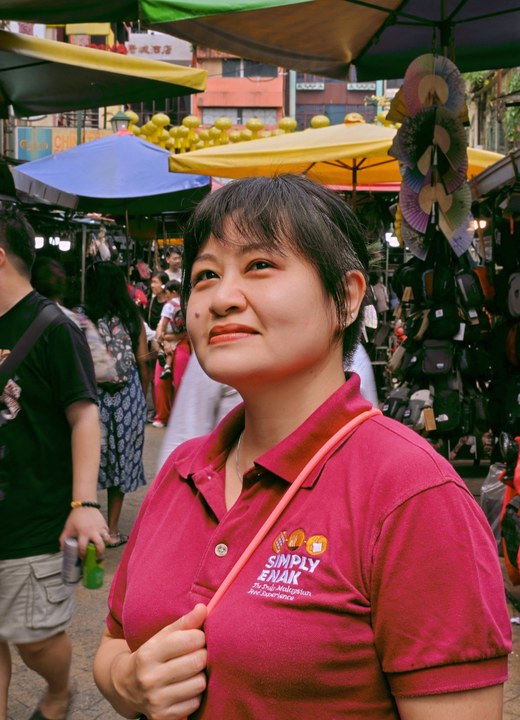
Pauline
Simply Enak Food Experiences
Pauline has been guiding food tours in Malaysia since 2011, sharing hidden gems and family-run stalls with travellers from around the world.
You might also like