Little India Penang Food Guide
Little India Penang Food Guide Penang's Little India is a cluster of streets in central George Town, centred on Lebuh Pasar (Market Street) and...
Little India Penang Food Guide
Penang's Little India is a cluster of streets in central George Town, centred on Lebuh Pasar (Market Street) and extending into Lebuh Queen and Lebuh King. The area was established by Indian traders who settled in Penang during the British colonial period, and it has remained the cultural and culinary centre of Penang's Indian community ever since.
The food in Little India Penang is different from the Indian food in KL's Brickfields. The proximity to the sea means seafood features more prominently. The Thai border influences the spice blends. And the Nasi Kandar, which was invented in Penang, is better here than anywhere else in Malaysia.
Nasi Kandar: The Penang Original
Nasi Kandar was invented in Penang. The name comes from the kandar, a shoulder pole used by Indian-Muslim hawkers to carry containers of rice and curry to office workers. The system has since moved into restaurants, but the principle remains: rice with your choice of curries and fried sides.
Line Clear Restaurant on Lebuh Penang, at the edge of Little India, is the best-known Nasi Kandar in Malaysia. It operates 24 hours a day and the queue rarely drops below ten people. The restaurant occupies a corner shophouse with tables spilling onto the pavement.
The process at Line Clear is simple: tell the server how many rice portions you need, point at the curries and fried dishes you want, and pay at the counter. The curries are displayed in large stainless steel containers. The fish curry is the most popular. It is made with tamarind, dried chillies, and turmeric, and it is thin enough to soak into the rice.
The fried chicken at Line Clear is cooked in a large, dark wok at the front of the restaurant. The chicken is marinated in turmeric and curry powder, then fried until the skin is shatteringly crisp. The meat underneath is moist and well seasoned. The chicken pieces are displayed on a counter behind glass, and regular customers inspect them before choosing their piece.
The kari kepala ikan (fish head curry) at Line Clear is available on weekends. A large fish head is cooked in a coconut-based curry with okra, eggplant, and tomatoes. The curry is rich and complex, with tamarind providing the sour note and dried chillies providing the heat.
Banana Leaf Rice in Little India
Several restaurants in Little India serve banana leaf rice, a South Indian tradition where rice is served on a banana leaf alongside vegetable dishes, pickles, and a choice of curries.
Sri Ananda Bahwan on Lebuh Penang is the most established South Indian restaurant in Little India. The banana leaf meal here is a full experience: a fresh banana leaf is laid in front of you, rice is spooned onto it, and three or four vegetable dishes are arranged around the rice. Papadum is placed on the side. A scoop of ghee (clarified butter) is poured over the rice.
The vegetables change daily. The standard rotation includes cabbage thoran (stir-fried cabbage with coconut and turmeric), potato masala (curried potato with mustard seeds and curry leaves), and avial (mixed vegetables in a coconut and yoghurt sauce). The pickles include lime pickle, mango pickle, and chilli pickle. The rasam, a thin, peppery tamarind soup, is served as a palate cleanser between courses.
The curries at Sri Ananda Bahwan include chicken, fish, mutton, and prawn. The chicken curry is coconut-based and mild. The fish curry is tangy with tamarind. The prawn curry uses a spice blend that includes fennel and fenugreek.
Roti Canai and Teh Tarik
The roti canai in Little India is made to order at several stalls and restaurants. The dough is stretched thin by hand, thrown into the air to stretch it further, folded repeatedly, and griddled with ghee.
The roti canai stall on Lebuh Queen, near the intersection with Lebuh Pasar, has been operating for over twenty years. The dough is made fresh each morning and allowed to rest before it is stretched. The result is a roti that is crispy on the outside, soft and layered on the inside, and served with a bowl of dhal curry on the side.
Order roti telur if you want a more filling version. An egg is cracked onto the dough before it is folded and griddled. The egg cooks into the layers of the roti, adding richness.
Teh tarik is the drink to order with roti canai. Black tea is brewed strong, mixed with condensed milk, and poured between two cups at arm's length to create a frothy top. The stall on Lebuh Pasar serves teh tarik in a mug. The foam on top is thick enough to leave a moustache. RM 1.50.
Indian-Muslim Mamak Food
The Mamak or Indian-Muslim food in Little India is distinct from the Chinese-influenced food in George Town's other neighbourhoods. The Mamak restaurants here serve halal food that blends South Indian techniques with Malay ingredients.
Mee Goreng is the Mamak staple at the stalls along Lebuh King. Yellow noodles are stir-fried with a thick, spicy tomato-based sauce, tofu, potatoes, egg, and bean sprouts. The sauce is what sets Mamak mee goreng apart from Chinese versions. It is made with tomato ketchup, chilli paste, and soy sauce, and it coats the noodles in a bright red, glossy layer.
The mee goreng at the stall near the Little India arch is cooked over a high flame in a large wok. The cook adds a splash of water at the end to create steam that finishes the noodles without drying them out. A squeeze of lime is added before serving.
Pasembur is a Penang-specific Mamak dish that is hard to find outside the island. It is a salad of shredded cucumber, turnip, bean sprouts, tofu, and prawn fritters, served with a sweet and spicy peanut sauce. The sauce is similar to satay sauce but thinner and sweeter. The pasembur stall on Lebuh Pasar serves it with a generous amount of sauce and a sprinkle of fried shallots.
What Else to Eat in Little India
The Indian sweet shops in Little India are worth visiting after a meal. The murukku, a crunchy savoury spiral made from rice flour and chickpea flour, is available in bags for RM 3. The jalebi, a deep-fried batter soaked in sugar syrup, is served warm.
Little India is walkable from anywhere in central George Town. The streets are compact and the food is concentrated in a few blocks. If you want a guided tour that covers Nasi Kandar, banana leaf rice, and the roti canai stalls in a single afternoon, the Simply Enak Little India food tour starts at Line Clear and works through the market streets with a local guide.
Love what you just read?
Stay in the loop, add Simply Enak to your Google favorites so you never miss a story.
Ready to taste these flavours yourself?
Join a Simply Enak food tour in Kuala Lumpur or Penang. Small groups, local guides, authentic experiences since 2011.
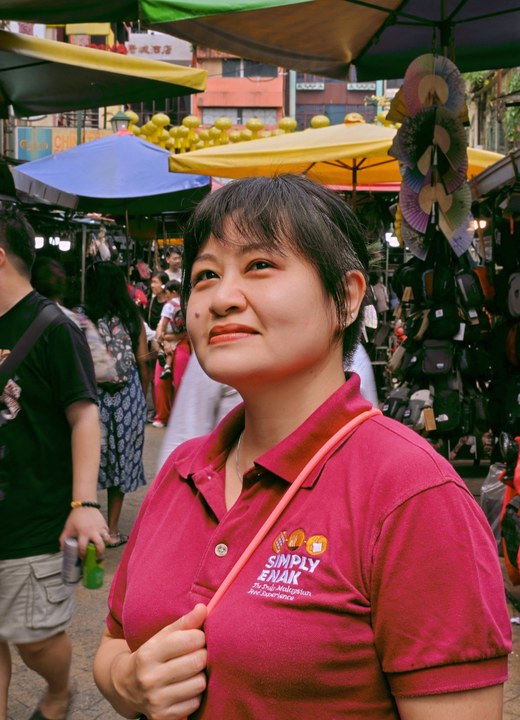
Pauline
Simply Enak Food Experiences
Pauline has been guiding food tours in Malaysia since 2011, sharing hidden gems and family-run stalls with travellers from around the world.
You might also like