Where to Eat in Ipoh
Where to Eat in Ipoh Ipoh is a city that food travellers pass through on their way to Penang or the Cameron Highlands. That is a mistake.
Where to Eat in Ipoh
Ipoh is a city that food travellers pass through on their way to Penang or the Cameron Highlands. That is a mistake. Ipoh's food scene is distinct enough to justify a dedicated trip. The city developed around tin mining in the late 19th and early 20th centuries, and the Hakka and Cantonese communities who worked the mines left a culinary legacy that survives in the city's kopitiams and street stalls.
The food in Ipoh is lighter and more restrained than KL or Penang. The flavours are cleaner. The heat comes from white pepper rather than chilli. The cooking is less aggressive across the board. This is not a criticism. It is a style.
White Coffee: Ipoh's Best-Known Export
Ipoh white coffee is not white. The name comes from the roasting process. The beans are roasted with margarine, which produces a lighter colour than the caramelised black beans used in standard Malaysian coffee. The result is a brew that is smoother, less bitter, and carries a faint buttery note.
The original white coffee is at Kedai Kopi Sin Yoon Loong on Jalan Bijeh Timah. The shop has been operating since the 1920s. The coffee is made in a sock filter and served with condensed milk at the bottom of the cup. You stir it yourself. The ratio is up to you.
Sin Yoon Loong opens early and closes by early afternoon. Go before 10 AM. Order a cup of white coffee and a slice of kaya toast. The toast is grilled over charcoal in an open alcove at the front of the shop. The kaya jam is house-made. The butter is a thick slab, not a thin spread.
For a second coffee stop, Kedai Kopi Woong Kee on Jalan Sultan Iskandar serves white coffee with a slightly darker roast. The flavour is nuttier, less creamy. Both shops have their loyalists. Try both and decide which you prefer.
Bean Sprout Chicken: The Ipoh Classic
Bean sprout chicken is the dish most associated with Ipoh. Poached chicken is served with a pile of blanched bean sprouts and a bowl of soy-based dipping sauce. The bean sprouts are the star. Ipoh's water, sourced from limestone hills, is said to produce bean sprouts that are plumper, crunchier, and sweeter than anywhere else in Malaysia. The claim sounds like marketing hyperbole until you try them.
The chicken is poached at a low temperature until the meat is silky and the skin is glossy. It is served at room temperature with a ginger-scallion oil and a dark soy sauce dip. The bean sprouts are blanched for seconds, drained, and dressed with a light soy drizzle.
Restoran Tuck Kee on Jalan Theatre is the best-known bean sprout chicken restaurant in Ipoh. The queue starts forming before lunch. The chicken is served by weight. Order a quarter bird for one person, a half for two. Add a bowl of hor fun (flat rice noodles) in a clear chicken broth on the side.
For an alternative, Onn Kee on Jalan Yau Tet Shin serves a similar menu with a slightly different soy sauce blend. The chicken is equally good. The queue is often shorter.
Hakka Noodles and Other Ipoh Specialties
Ipoh's tin mining history brought a large Hakka population from southern China. Hakka noodles are the culinary legacy: thin yellow egg noodles tossed in a dark soy and lard dressing, topped with shredded chicken and chopped spring onions. The noodles should be springy, not soft. The dressing should coat each strand without pooling at the bottom of the bowl.
Restoran Nam Heong on Jalan Bijeh Timah serves a consistent Hakka noodle bowl. The noodles are made fresh on site. The lard is rendered in the kitchen daily. The chicken is hand-shredded.
Another Ipoh specialty is the salted chicken. A whole chicken is stuffed with salt and herbs, wrapped in paper, and baked until the meat is fall-apart tender. The salt does not make the chicken salty. It draws moisture out of the meat and concentrates the flavour. Restoran Ayam Garam A-1 on Jalan Sultan Iskandar has been making salted chicken since the 1960s.
Old Town versus New Town
Ipoh is divided by the Kinta River into Old Town and New Town. The food differences matter.
Old Town is where the pre-war shophouses are concentrated. This is the tourist-facing side, with restored colonial buildings and the best-known coffee shops. Sin Yoon Loong, Nam Heong, and Woong Kee are all in Old Town. The food here is aimed at a wider audience, but the standards remain high because the local customer base still fills the seats.
New Town is where the Chinese restaurants and seafood stalls cluster. The bean sprout chicken shops are mostly in New Town. The food here is less photographed but equally good. The evening pasar malam (night market) in New Town has a wider selection of Malay and Indian food than Old Town.
Timing Your Ipoh Visit
Ipoh's food scene operates on an early schedule. Most of the well-known coffee shops and noodle stalls close by 2 PM. Bean sprout chicken restaurants serve lunch from 11 AM to 3 PM and reopen for dinner around 5 PM.
The best strategy for a first visit is to arrive in the morning, have white coffee and kaya toast at Sin Yoon Loong around 8 AM, follow it with bean sprout chicken at Tuck Kee for lunch, and spend the afternoon exploring Old Town before dinner in New Town.
If you want someone to handle the logistics and take you to the stalls that have been feeding Ipoh for generations, the Simply Enak Ipoh food tour covers the coffee shops, the bean sprout chicken restaurants, and the Hakka noodle stalls in a single morning.
Love what you just read?
Stay in the loop, add Simply Enak to your Google favorites so you never miss a story.
Ready to taste these flavours yourself?
Join a Simply Enak food tour in Kuala Lumpur or Penang. Small groups, local guides, authentic experiences since 2011.
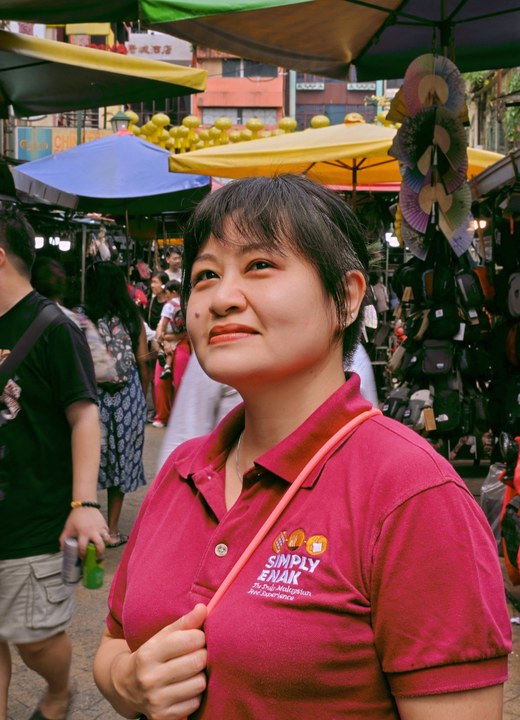
Pauline
Simply Enak Food Experiences
Pauline has been guiding food tours in Malaysia since 2011, sharing hidden gems and family-run stalls with travellers from around the world.
You might also like