KL Street Food: What to Order and What to Skip
You step out of your hotel in Kuala Lumpur and the smell of charcoal smoke hits you before you've walked ten metres. This is KL's street food — and here's exactly where to find it.
Pauline
Simply Enak
The Street Food Guide to Kuala Lumpur
You step out of your hotel in Kuala Lumpur and the smell of charcoal smoke hits you before you have walked ten metres. A wok is clanging somewhere in the distance. Someone is frying noodles over a flame that licks up the side of the pan. This is the city you came for. The question is not whether you will find good street food. The question is where to start.
KL has hundreds of street food stalls. Some are excellent. Some are average. A few are well known enough to have their own Wikipedia pages but serve food that has declined as their tourist numbers grew. This guide cuts through that. It tells you which streets to walk, which stalls to sit at, and exactly what to order when you get there.
Jalan Alor: The Tourist Strip That Still Works
Jalan Alor is the best-known street food lane in Kuala Lumpur. Every guidebook sends you here, every hotel concierge recommends it, and every travel blog has a photo of its red lanterns stretching down the street. The common complaint is that it has become too touristy. That is true. But the food is still good if you know how to order.
The street runs one block parallel to Changkat Bukit Bintang, the main nightlife strip. It is closed to traffic in the evening. Hawker stalls line both sides, each with plastic tables and chairs spilling onto the road. The vendors call out to you as you walk past. Do not let this put you off. The competition here is fierce, and the stalls that survive are the ones locals still eat at.
Char kway teow is the must-order dish at Jalan Alor. Flat rice noodles stir-fried over high heat with dark soy sauce, prawns, cockles, bean sprouts, and egg. The key is the wok hei : the smoky breath that comes from cooking at a temperature that would set off a sprinkler system in a modern kitchen. Look for stalls where the cook is working over a charcoal fire, not a gas burner. The stall near the 7-Eleven at the Kuala Lumpur end of the street has been using charcoal for three decades. Their char kway teow costs around RM 8.
Satay on Jalan Alor comes on skewers of marinated chicken or beef grilled over an open flame. The smoke drifts across the whole street. The peanut sauce is what separates good satay from average satay. Good satay has a thick sauce with visible crushed peanuts, a hint of tamarind, and enough chilli to leave a warmth on your tongue. The satay at the corner stall opposite Wong Ah Wah is a reliable choice.
BBQ seafood is the other Jalan Alor specialty. Stalls display trays of fresh fish, prawns, squid, and stingray on ice. You pick what you want and they grill it in front of you. The stingray (ikan bakar) is the standout : slathered in sambal, wrapped in banana leaf, and grilled until the flesh flakes apart. The sambal at most stalls here is made with belacan (shrimp paste), so ask if you have dietary restrictions.
Pudu: Where KL Locals Really Eat Street Food
Pudu is the neighbourhood that Jalan Alor used to be before the tourists found it. It sits just south of Chinatown, a dense warren of streets where residential apartments sit above ground-floor shops and the street food is made for people who live here, not for visitors passing through.
The main drag is Jalan Pudu, but the best eating is on the side streets. Jalan Sayur and Jalan Kancil have stalls that have been feeding Pudu residents for multiple generations. The vendors here do not speak much English. They do not need to. Their regulars have been ordering the same thing for twenty years.
Apam balik is the sleeper hit of Pudu street food. It is a crispy pancake folded over with sweet corn, crushed peanuts, and sugar inside. The batter is poured onto a round cast-iron mould, the filling is scattered across it, and the pancake is folded in half while still sizzling. The result is a thin, crispy shell with a warm, sweet filling. The apam balik stall at the corner of Jalan Pasar and Jalan Sayur has been operating since the 1980s. One piece costs RM 2.50 and will change the way you think about street snacks.
Popiah is a fresh spring roll filled with julienned turnip, bean sprouts, egg, and chilli sauce, wrapped in a thin crepe. The popiah stall at Pudu market entrance rolls each one to order. The skin is so thin you can see the filling through it. Ask for extra chilli.
Pudu is also the best place in KL for Hokkien mee : thick yellow noodles stir-fried in dark soy sauce with pork, squid, and cabbage. The version here uses pork lard, which gives the noodles a richness that vegetable oil cannot match. The broth is reduced until it coats every strand. Stall 15 along the Pudu market exterior wall serves a bowl for RM 6 that beats most restaurant versions.
Petaling Street: Chinatown Done Right
Chinatown's Petaling Street is a covered market during the day and a street food area in the evening. The main market is full of counterfeit handbags and phone cases, but the food stalls tucked into the surrounding streets are the reason to come.
Wan tan mee is the dish to order here. Thin egg noodles tossed in soy sauce with a dark, savoury dressing, served with barbecued pork char siew and wantan dumplings in broth. The wantan mee at Restoran Soo Kee on Jalan Hang Lekir has been drawing queues since the 1970s. The char siew is caramelised on the outside and soft inside. A bowl costs RM 7.
Fried Hokkien prawn noodles at the Petaling Street end of Jalan Tun H S Lee are a Chinatown specialty. The broth is made by simmering prawn heads and shells for hours until it turns a deep orange-red. The noodles soak up that flavour. Add a squeeze of calamansi lime and a spoonful of sambal.
Cendol is the dessert that cuts through the humidity. Shaved ice with green rice flour jelly, coconut milk, and gula melaka (palm sugar syrup). The cendol stall on the corner of Jalan Hang Lekir and Jalan Petaling serves it in a bowl with a generous pour of coconut cream. The shaved ice is so fine it melts on your tongue. RM 3.50.
Kampung Baru: Malay Street Food at Its Source
Kampung Baru is a Malay enclave in the heart of KL, a neighbourhood of low-rise wooden houses and street stalls that has somehow survived the skyscraper boom around it. The evening food scene here is the most distinctive in the city.
The stalls cluster around Jalan Haji Hussein and the surrounding lanes. This is where Malay families come to eat after work. The food is halal by default, made from family recipes, and priced for people who eat here every week.
Nasi lemak in Kampung Baru is the benchmark. Coconut rice steamed with pandan leaves, served with sambal, fried anchovies, peanuts, a boiled egg, and your choice of curry or fried chicken. The nasi lemak at the gerai (stall) opposite the Kampung Baru mosque is the local favourite. The sambal is made fresh each morning, and the heat builds slowly rather than hitting you immediately. RM 5 with fried chicken.
Satay in Kampung Baru is made with smaller skewers than the Jalan Alor version, but the meat is more tender and the marinade penetrates deeper. Stall 63 at the Kampung Baru night market has been doing this since the 1990s. The chicken satay is marinated in coconut milk and turmeric. The beef satay uses a sweeter soy-based marinade. Order both.
Rot john is a Kampung Baru specialty you will not find in guidebooks. It is a split baguette filled with a minced meat and egg mixture, toasted on a flat grill, and served with onion and chilli sauce. The bread soaks up the egg and turns crispy on the outside. It was invented in Singapore but adopted wholeheartedly by KL's Malay street vendors. The rot john stall at the entrance to the Kampung Baru night market sells out by 9 PM most nights.
How to Eat Street Food in KL Without Problems
Street food in KL is generally safe, but a few habits make it safer. Eat at stalls that are busy. A constant stream of customers means the food is being cooked fresh and the ingredients are turning over fast. Avoid stalls where the fried food has been sitting under a heat lamp for an unknown amount of time.
Carry small bills. Most street vendors do not accept cards. RM 50 in small notes will cover an evening of eating for two people.
Bring your own tissues. Malaysian street food stalls rarely provide napkins. A small pack of tissues in your pocket is standard practice for locals.
The timing matters. Hawker stalls open for specific windows. Breakfast stalls close by 11 AM. Lunch stalls operate from 11:30 AM to 2:30 PM. Dinner stalls start setting up around 5 PM and run until midnight. Show up at the wrong time and the stall will be empty.
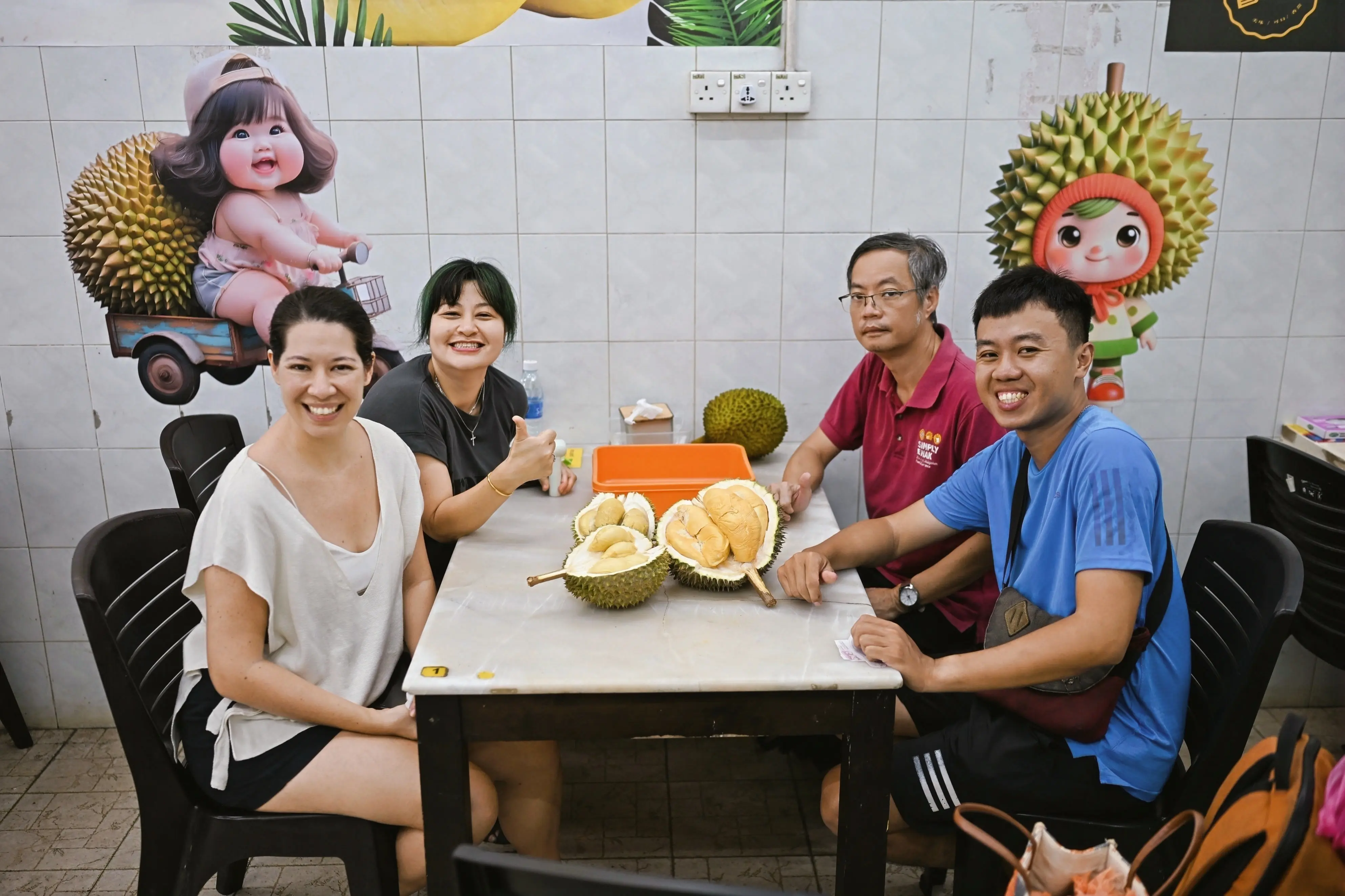
If all of this sounds like a lot to navigate on your first visit, that is exactly why the Simply Enak Kuala Lumpur street food tour exists. A local guide takes you through Pudu, Kampung Baru, and Chinatown in one afternoon, handles the ordering, and makes sure you eat at the stalls that have been feeding this city well for decades.
Ready to taste these flavours yourself?
Join a Simply Enak food tour in Kuala Lumpur or Penang. Small groups, local guides, authentic experiences since 2011.
Pauline
Simply Enak Food Experiences
Pauline has been guiding food tours in Malaysia since 2011, sharing hidden gems and family-run stalls with travellers from around the world.
You might also like
Enjoyed this story? Browse all stories →