Chow Kit Market Food Guide
Chow Kit is KL's working wet market, open 6 AM to 2 PM. What to eat (nasi lemak, nasi kerabu, lontong), what to buy, and how to get there from the monorail.
Chow Kit Market Food Guide
Chow Kit is the opposite of a tourist market. It has no gift shops, no air conditioning, and no English signage. It is a working wet market in the centre of Kuala Lumpur, serving the city's Malay community with fresh produce, meat, fish, and cooked food that has been prepared the same way for generations.
For a first-time visitor, Chow Kit is intimidating. The market is crowded, noisy, and hot. The smell of fresh fish, dried shrimp, and tropical fruit mixes into something that takes a few minutes to adjust to. But the cooked food section at Chow Kit is among the best Malay street food in KL, and the market is worth navigating for the meals you can only find here. The market is a 5-minute walk from Chow Kit monorail station and most stalls close by 2 PM, so come in the morning.
What You Will Find at Chow Kit
Chow Kit is a wet market. This means fresh meat and seafood sit on open ice beds. Chickens are butchered in view. Fish are gutted and scaled on the spot. The floor is wet. The air is humid. This is not a place for people who are squeamish about seeing where their food comes from.
The market covers several blocks around Jalan Haji Hussein and Jalan Chow Kit. The cooked food stalls are concentrated in the indoor food court at the market's centre. This is where the market workers eat, and the food is priced for them, not for tourists.
The stalls operate on a breakfast and lunch schedule. Most open by 6 AM and close by 2 PM. The best time to visit is between 7 AM and 10 AM when the food is freshly cooked and the market is at its most active.
What to Eat at the Market
The cooked food section has about fifteen stalls serving a rotating selection of Malay dishes. The offerings change depending on what is fresh at the market that morning.
Nasi lemak at Chow Kit is a different proposition from the restaurant versions. The rice is steamed in large aluminium trays. The sambal is darker, spicier, and made with more belacan than the city-centre versions. The anchovies are whole and crunchy. The fried chicken is cooked to order. Look for the stall near the back wall of the food court where the queue of market traders is longest. That stall makes their sambal from scratch each morning.
Nasi kerabu is available at several stalls. The rice is blue, coloured by butterfly pea flower. It is served with fried fish, salted eggs, pickled vegetables, and kerisik (toasted coconut). The blue rice looks gimmicky but the flavour is distinct: the butterfly pea flower adds a floral note that you cannot get from standard white rice.
Lontong is a breakfast dish you will find at Chow Kit that is rare on restaurant menus in KL. Compressed rice cakes are sliced and served in a coconut-based vegetable curry with hard-boiled eggs, tofu, and sambal. It is a filling, gentle breakfast that does not hit you with chilli first thing. The stall at the front of the food court serves a lontong with a curry that has been simmering since before the market opened.
What to Buy
Chow Kit is also the best place in KL to buy ingredients that will be hard to find in supermarkets or tourist areas.
The dried goods section sells belacan (shrimp paste), dried anchovies, dried shrimp, and tamarind paste in quantities that make sense if you plan to cook. The belacan here is not the packaged version you find in grocery stores. It is sold in blocks wrapped in paper, darker and more pungent than the commercial product.
The spice stalls sell pre-mixed curry powders for specific dishes. Ask for rempah rendang and the vendor will measure out a blend of dried chillies, turmeric, galangal, lemongrass, and candlenuts from large bins. RM 3 will get you enough for a full batch.
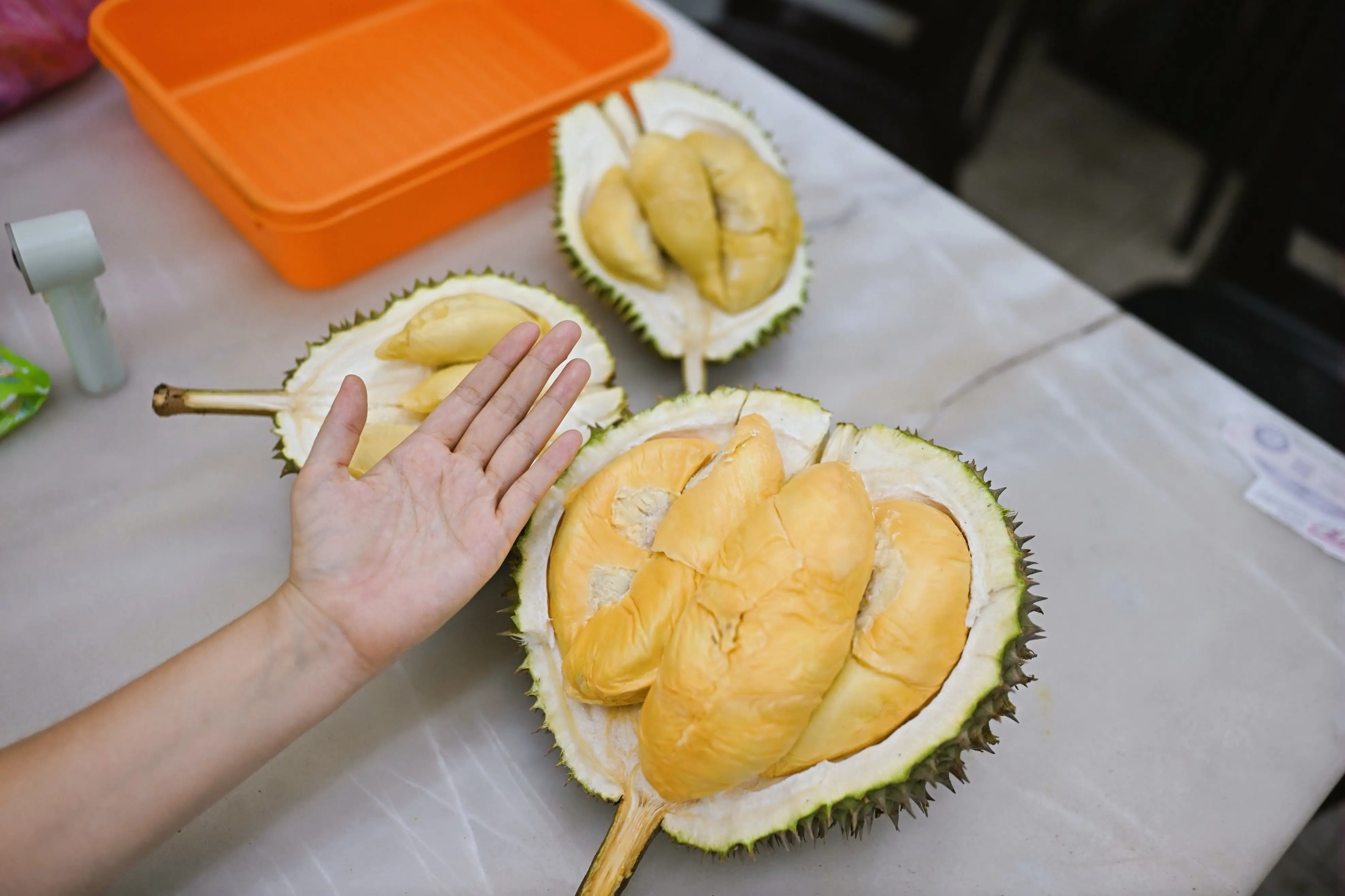
The fruit section has tropical varieties that are hard to find elsewhere. Cempedak, a relative of jackfruit with a softer, sweeter flesh, is sold by the segment. The vendor will cut it open and show you the colour before you buy. Durian is available during season, priced well below the Chinatown tourist stalls.
When to Go
Chow Kit is best visited in the morning. The market starts filling by 6 AM. The best selection of fresh produce is between 7 AM and 9 AM. The cooked food stalls are at their peak between 8 AM and 11 AM.
By 1 PM, the market is winding down. Some stalls have sold out and closed. The cleaning crew starts hosing down the floors. It is still worth visiting in the early afternoon if that is all the time you have, but the morning is when Chow Kit is at its full, chaotic best.
Sunday mornings are the busiest time. Local families come to do their weekly shopping, and the food court is packed. Weekday mornings are quieter and more relaxed.
How to Navigate the Market
The market layout takes a few visits to understand. The main entrance is on Jalan Haji Hussein, near the Chow Kit monorail station. The fresh produce is on the ground floor. The meat and fish section is at the back. The cooked food court is on the upper level.
Go upstairs first to eat. The food court has tables that are shared. Sit down, look at what the people around you are eating, and then walk to the stall that made it. Most stall owners speak enough Malay to take your order. Point at what you want if language is a barrier.
Carry small bills. The stalls do not accept cards. Prices are low: a full meal with a drink costs RM 5 to RM 8.
If the market feels too overwhelming to navigate on your own, the Simply Enak market tour includes a guided walk through Chow Kit with a local food guide who knows the stalls, the vendors, and the best time to visit each section.
Love what you just read?
Stay in the loop, add Simply Enak to your Google favorites so you never miss a story.
Ready to taste these flavours yourself?
Join a Simply Enak food tour in Kuala Lumpur or Penang. Small groups, local guides, authentic experiences since 2011.
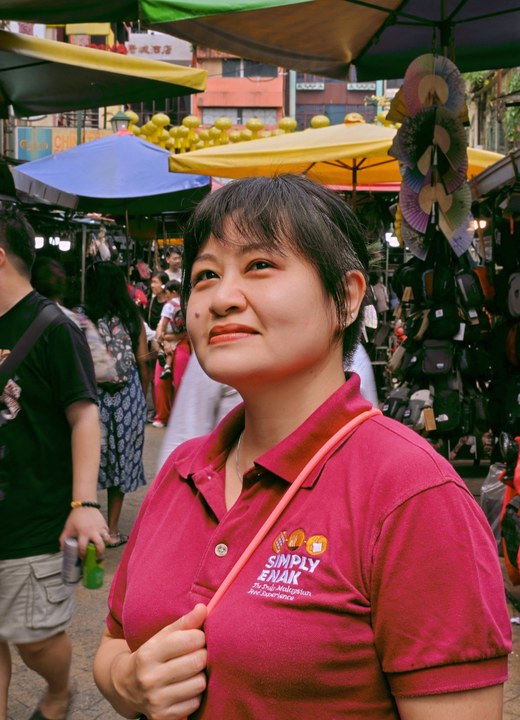
Pauline
Simply Enak Food Experiences
Pauline has been guiding food tours in Malaysia since 2011, sharing hidden gems and family-run stalls with travellers from around the world.
You might also like