Halal Food Guide to Kuala Lumpur
Halal Food Guide to Kuala Lumpur (2026) You are standing in front of a hawker stall in Chinatown. The steam rising from the wok smells incredible.
Halal Food Guide to Kuala Lumpur (2026)
You are standing in front of a hawker stall in Chinatown. The steam rising from the wok smells of smoke and spice. The cook motions for you to come closer. But you hesitate. Is the food halal? You can't tell from looking.
This guide solves that problem. Kuala Lumpur is a Muslim-majority city where halal food is the norm for most of the population, but not every stall you see follows halal standards. The difference between what looks halal and what is halal comes down to knowing which neighbourhoods, which cuisines, and which certification marks to trust. Here is exactly how to navigate it.
How Halal Works in Kuala Lumpur
In Malaysia, halal certification is managed by JAKIM, the Department of Islamic Development. A JAKIM logo is the gold standard. It means the stall has been inspected and meets preparation, sourcing, and hygiene standards set by the government.
But many smaller stalls serve halal food without formal certification. Malay-owned stalls do this as a matter of religious practice. Indian-Muslim stalls operate the same way. The food is halal, even when there is no logo on the wall. The challenge comes at Chinese stalls, where lard and pork are common ingredients. For those, you want either a JAKIM certificate or a trusted local source telling you it is safe.
This is why most Muslim visitors to KL stick to three types of food: Malay, Indian-Muslim, and certified halal Chinese. Each has its own neighbourhoods and signature dishes.
Kampung Baru: The Malay Food Heart of KL
Kampung Baru is a traditional Malay village in the middle of modern Kuala Lumpur. It has been here since the turn of the 20th century, and its food stalls have been feeding the city for just as long. Every single stall here is run by Malay Muslims. You do not need to ask about halal. It is a given.
Go in the evening when the night market sets up along Jalan Haji Hussein and the surrounding streets. The open-air gerai (stalls) serve the kind of food Malaysians cook at home.
Nasi lemak is the national dish and the best place to start. Look for a stall with a large steamer basket of coconut rice. You will smell the pandan before you see it. Ask for it with fried chicken (ayam goreng), sambal, a boiled egg, and anchovies. The sambal at Kampung Baru stalls is made fresh, and the chilli heat hits differently when it has not been sitting in a jar.
Satay is another essential stop. Small skewers of marinated chicken or beef grilled over charcoal. The smoke carries across the whole neighbourhood. The peanut sauce that comes with it is thick, slightly sweet, and has enough chilli to wake you up. Stall 63 at the Kampung Baru night market has been doing satay for over 20 years.
Rendang is slow-cooked beef in coconut milk and spices. It looks dry, almost dark brown. That is the point. The liquid has cooked down over hours until the meat is tender and the flavour is concentrated. Malay families make this for celebrations. The rendang at the stalls near the Kampung Baru mosque is reliably good.
Brickfields and the Mamak Tradition
Brickfields is KL's Little India, and it is home to the city's best Indian-Muslim food. The Mamak community has been in Malaysia for generations. Their food is halal by practice, and their restaurants are open late.
Nasi kandar is the dish to order here. It is rice served with a selection of curries and sides. You point at what you want from the display. The vendor pours curry sauce over the rice from a height, mixing flavours as it lands. The combination is up to you, but the standard order is fried chicken, okra, and a hard-boiled egg with a mix of fish curry and dal.
Roti canai and murtabak are the other Mamak staples. Roti canai is flatbread stretched thin, folded, and cooked on a flat grill until crispy outside and soft inside. Eat it with dal or curry. Murtabak is the stuffed version, filled with spiced minced beef, egg, and onion.
Restoran Mohd Noor in Brickfields has been serving nasi kandar for decades. The queue starts forming before lunch. Visitors who come without a local guide often walk past it because the sign is faded and the entrance is narrow. Our guide brings guests here specifically because it is the kind of place you would not find on your own.
Halal Chinese Food: The Trickiest Category
Chinese food in KL traditionally uses lard, pork, and oyster sauce. But halal-certified Chinese hawkers do exist. The key is knowing where to look.
In Chinatown around Petaling Street, several stalls display JAKIM certification. Look for the green logo on the stall front or on a laminated card near the menu. If you do not see it, ask. An honest stall owner will tell you straight.
Wantan mee is halal at certified stalls. Yellow egg noodles tossed in soy sauce, served with BBQ chicken char siew (made from chicken, not pork, at halal stalls) and wantan dumplings. The version at Restoran Nasi Ayam Hainan in Chinatown is halal-certified and has been feeding the local community for years.
Dim sum is also available halal in KL. Head to the halal dim sum stalls in the Mid Valley area or in Bangsar. The har gow (shrimp dumplings) and siew mai (pork-free versions use chicken) are made fresh every morning.
What to Drink
Teh tarik is pulled tea, a Mamak invention. Hot milk tea is poured back and forth between two cups held at a distance. The process aerates the tea and creates a thick foam on top. It is sweet, creamy, and served at every Mamak stall in the city.
Cendol is shaved ice with green rice flour jelly, coconut milk, and palm sugar syrup. It is the standard dessert after a heavy meal. The cendol at the stalls in Brickfields is made with fresh coconut milk, and you can taste the difference.
Sarsi, a Malaysian root beer, pairs with any spicy meal. You will see bottles of it at every hawker centre.
A Practical Note on Certification
If you are visiting KL for two or three days, the easiest strategy is to stick to Malay and Indian-Muslim food and add certified halal Chinese when you find it. Malay food lives in Kampung Baru and in food courts across the city. Indian-Muslim food is at every corner Mamak stall and in Brickfields. You will never be short of options.
When you are unsure, ask the vendor directly. The phrase to know is "Ada sijil halal?" (Do you have halal certification?). Most will answer honestly. The ones with nothing to hide will point you to their certificate.
This is one of the reasons the Simply Enak food tours in Kuala Lumpur focus on the neighbourhoods where halal food is the foundation, not an afterthought. When you eat with a local guide, you do not need to ask every question yourself. The stalls have already been chosen.
Love what you just read?
Stay in the loop, add Simply Enak to your Google favorites so you never miss a story.
Ready to taste these flavours yourself?
Join a Simply Enak food tour in Kuala Lumpur or Penang. Small groups, local guides, authentic experiences since 2011.
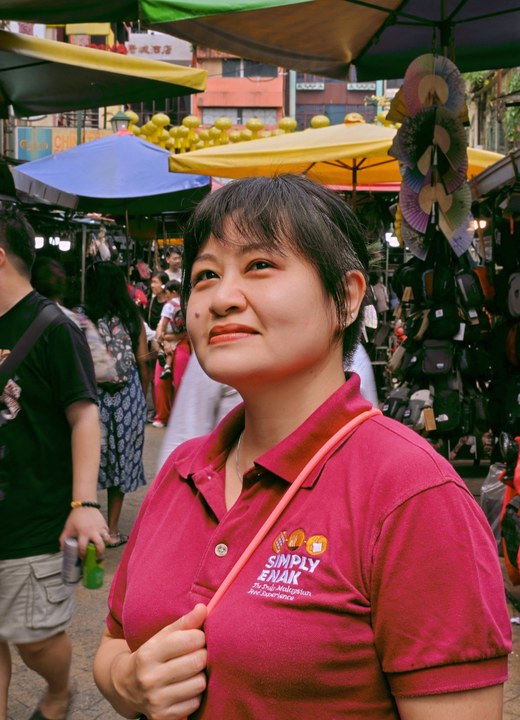
Pauline
Simply Enak Food Experiences
Pauline has been guiding food tours in Malaysia since 2011, sharing hidden gems and family-run stalls with travellers from around the world.
You might also like