How to Find Vegetarian Restaurants in KL, Penang and Ipoh
Updated June 2026: Malaysia's vegetarian scene keeps growing. Our guides have updated this with the latest spots.
Updated June 2026: Malaysia's vegetarian scene keeps growing. Our guides have updated this with the latest spots. TL;DR: Vegetarian restaurants in Malaysia don't always advertise themselves. Many are attached to temples, run by Buddhist communities, and found through local knowledge. Once you know the signs to look for, the 素食 characters, the timing, the right neighbourhoods, they're everywhere. This guide --- Here's the thing about the best vegetarian spots in Malaysia. They're not trying to attract you. The Buddhist temple canteen off Jalan Ampang in KL doesn't need a website. The lunch-only 素食 stall tucked behind the wet market in Ipoh doesn't need Instagram. The decades-old vegetarian shop beside a George Town temple in Penang doesn't need a TripAdvisor listing. The communities that eat there alr This is what makes finding vegetarian food in Malaysia different from finding it anywhere else. You're not looking for restaurants competing for your attention. You're looking for places that exist to serve a community, and have been doing so for generations. Here's how to find them. --- The 素食 Sign: Your Single Most Reliable Guide The single most useful thing you can learn: look for the characters 素食 (pronounced sù shí). 素食 is the Chinese term for Buddhist vegetarian food. Any stall or restaurant displaying these characters follows strict vegetarian kitchen standards: no meat, no seafood, no eggs, no dairy, and no five pungent roots (onion, garlic, chives, spring onion, leeks). The whole kitchen is built around thes You'll find 素食 signs in Chinatown, in older neighbourhood shophouses, on hawker stall banners in predominantly Chinese areas. Once you start looking, they're everywhere. In KL, walk the older streets around Petaling Street and Chinatown. In Penang, George Town's pre-war shophouse rows have 素食 stalls tucked between hardware shops and coffee houses. In Ipoh, the Old Town area has a strong Buddhist community and several These are the places locals go. They often have no English signage. They open early and close by midday. And the food is some of the most carefully made vegetarian cooking you'll find in this country. --- Temple Canteens: The Spots Nobody Advertises The most reliable vegetarian food in KL is often inside or beside a Buddhist temple. The Dharma Realm Guan Yin Sagely Monastery on Jalan Ampang is one of KL's most striking religious landmarks. Behind the main monastery building is a large canteen that serves over twenty fresh Kun Yam Thong Temple, also on Jalan Ampang, runs a vegetarian canteen during lunch hours. Locals have been coming here for years. There's nothing online to send you there. These canteens are welcoming to everyone, not only Buddhists. They're community spaces. But you have to know they exist to walk through the door. In Penang, Annalakshmi at the Temple of Fine Arts in Pulau Tikus operates on a donation basis. The cooks and servers are all volunteers. The food is Indian vegetarian, cooked fresh and served buffet-style. Penangites know it well. Most visitors walk straight past it. We take guests to spots like these precisely because they won't find them on their own, not because they're secret, but because they don't announce themselves. --- How the 1st and 15th Changes Your Options If you're in KL, Penang or Ipoh on the 1st or 15th of the lunar calendar, your vegetarian options multiply. On those days, many Chinese Buddhists observe vegetarian eating as a merit-making practice. Stalls that normally serve mixed food put out vegetarian menus. Vendors who only cook vegetarian twice a month still do it properly, because it's a discipline they've kept for decades. Temple canteens get busier. 素食 stalls appear at regular hawker centres that aren't there on other days. The vegetarian section of the wet market sees more traffic. If you have flexibility on travel dates, this is worth factoring in. Our Chinatown food walks pass through some of these stalls on their active days. --- The Apps and Tools That Help HappyCow is the most comprehensive tool for finding vegetarian and vegan restaurants across Malaysia. [Penang alone has 23 fully vegan and 151 vegetarian-friendly restaurants listed](https://www.happycow.net/best-vegan-restaurants/penang-ma The caveat: many of the best vegetarian spots in Malaysia, especially temple canteens and older 素食 stalls, are not listed anywhere. HappyCow is a starting point, not the full picture. Google Maps is also useful. Search for "素食" directly in Chinese characters and you'll get results that an English search for "vegetarian" would miss entirely, because these places don't use English to describe themselves. --- KL: Where to Start Looking The clearest concentrations of vegetarian food in KL: Chinatown (Petaling Street and nearby streets): 素食 stalls, Buddhist vegetarian shops, and temple canteens within walking distance of each other. Go in the morning for the most options. Brickfields (Little India): South Indian vegetarian restaurants, banana leaf rice stalls, and dosa shops. A completely different vegetarian tradition from the Chinese Buddhist spots, and equally good. Jalan Ampang (near KLCC): Two of KL's most well-known temple canteens within a short walk. Budget RM 5-10 for a full, filling plate. Our Chow Kit Market tour passes through areas where you'll see both traditions side by side. It's the single clearest way to understand how the two vegetarian food cultures of KL coexist. --- Penang: The Richest Vegetarian Scene in the North Penang has one of the most developed vegetarian food scenes in Malaysia, driven by its large, long-established Chinese Buddhist community and its South Indian Tamil heritage. The pre-war shophouses of George Town contain 素食 shops that have been there for decades. Most open for breakfast and lunch only. The food is simple, affordable, and very good. Penang's Indian vegetarian scene, concentrated around Little India near Penang Road, runs alongside the Chinese Buddhist scene entirely separately. Two different traditions, both thriving, within a few streets of each other. Mak Cik Salmah, one of the vendors we work with in Penang, knows these neighbourhoods as well as anyone. When we're there, she guides us to the spots that don't appear on any app. --- Ipoh: Quieter, But Worth the Search Ipoh has a smaller vegetarian scene than KL or Penang, but a strong Buddhist community means 素食 stalls are well-established in the Old Town area. The coffee shops of Old Town Ipoh are famous across Malaysia. The vegetarian stalls that share those spaces are talked about less. Arrive before noon: most close by 12:30pm. What you find is genuinely good, and very affordable. --- The Honest Answer The most reliable way to find good vegetarian food in KL, Penang or Ipoh is to know the community, or go with someone who does. Apps get you started. The 素食 sign gets you most of the way. But the temple canteen with no sign, the 素食 stall that only appears on certain days, the Penang shop that's been vegetarian since before it was a category: those you find through people. That's what we've been building for 14 years. Come eat with us, and we'll show you the ones worth finding. --- Frequently Asked Questions What does 素食 mean, and how do I use it to find vegetarian restaurants? 素食 (sù shí) is the Chinese term for Buddhist vegetarian food. Search for it directly in Google Maps or look for the characters on shop signage. It's far more reliable than searching "vegetarian" in English, as many 素食 stalls have no English signage at all. Are there vegetarian restaurants in KL that aren't listed on HappyCow? Yes, many. Temple canteens, older 素食 stalls, and community-run lunch spots often have no online presence. They're known within the community but invisible to apps and search engines. Going with a local guide is the most reliable way to find them. What time do vegetarian restaurants in KL and Penang open and close? Most Buddhist 素食 stalls and temple canteens open early, around 7am, and close by midday or early afternoon. If you arrive after 1pm, many will be sold out. Indian vegetarian restaurants typically have longer hours. Plan to eat vegetarian in the morning or at lunch and you'll have far more choice. Is Penang better for vegetarians than KL? Different rather than better. Penang has a more concentrated vegetarian scene within walking distance in George Town, mixing Chinese Buddhist and South Indian traditions. KL has more overall variety but is more spread out. Both cities have excellent options once you know where to look. Can Simply Enak help me find vegetarian food in KL, Penang and Ipoh? Yes. We've been navigating these cities and their food cultures for 14 years. Whether you join a tour or just want advice, we're happy to point you toward the spots we eat at ourselves. Frequently Asked Questions Which Malaysian city has the best vegetarian food? Kuala Lumpur has the widest variety due to its large Chinese Buddhist and Indian Tamil communities. Penang comes a close second with excellent temple canteens. Ipoh has a smaller but quality selection of vegetarian options. Are vegetarian restaurants in Malaysia expensive? No. Temple canteens and banana leaf rice stalls are very affordable, often under RM 10-15 for a filling meal. Modern plant-based cafes in KL and Penang are pricier but still reasonable by international standards. Do vegetarian restaurants in Malaysia use mock meat? Many Chinese Buddhist vegetarian restaurants use mock meat (made from soy or gluten) as a cultural tradition. Indian vegetarian restaurants typically do not. Both styles are worth trying. --- Want to taste Malaysian food with a local guide? Browse our tours and join us for a meal you will not forget.
Love what you just read?
Stay in the loop, add Simply Enak to your Google favorites so you never miss a story.
Ready to taste these flavours yourself?
Join a Simply Enak food tour in Kuala Lumpur or Penang. Small groups, local guides, authentic experiences since 2011.
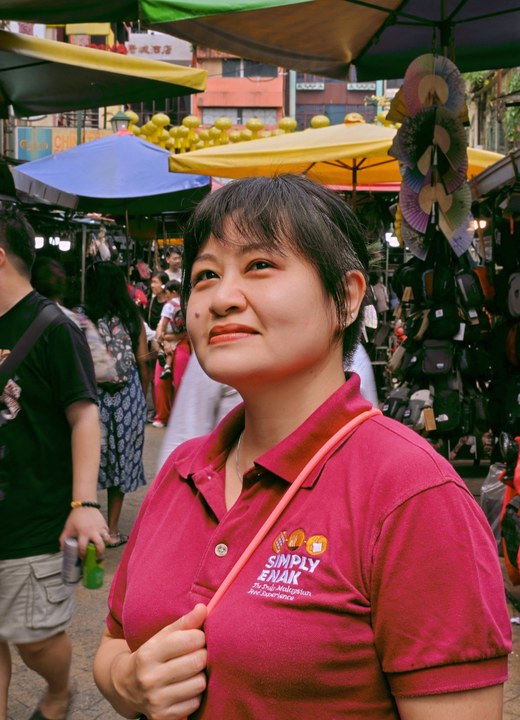
Pauline
Simply Enak Food Experiences
Pauline has been guiding food tours in Malaysia since 2011, sharing hidden gems and family-run stalls with travellers from around the world.
You might also like