Is It Safe to Eat Street Food in Malaysia?
A practical, honest guide to street food safety in Malaysia. What to look for, what to skip, and how to eat with confidence at hawker stalls.
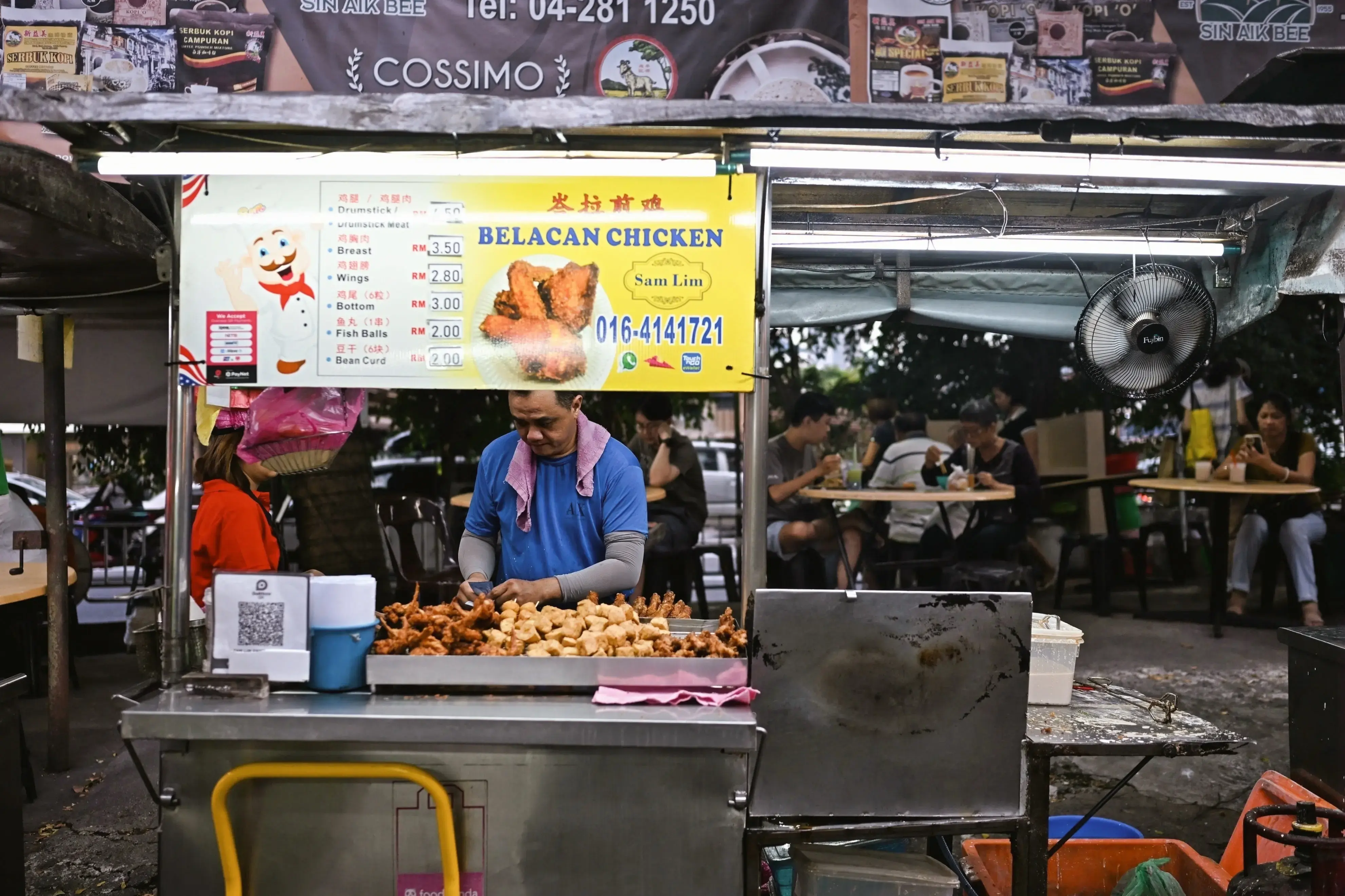
Updated June 2026: Street food safety standards in Malaysia continue to improve. Here is what you need to know for 2026. Last week I was out with guests on a tour from the West and, after my typical lengthy descriptions of the best street foods to eat, one of my friends pulls me aside and whispered: “Looks great, but, is it safe to eat?” I actually get that question quite a bit. We’ve all heard horror stories about the dangers of eating when traveling abroad. Especially to underdeveloped nations that may not have the strict food safety laws and guidelines that most Western countries do. Many people are concerned they might die from It’s not an uncommon fear and there’s always a risk. However, if you follow just a few rules of thumb listed below and pay closer attention to things you most likely do already, like washing your hands before you eat, then you should have no trouble enjoying all the great street foods Malaysia has t Here are some things to consider before heading out to the hawker: When I first had Malaysian food, it was the spices that had me popping tums more than anything else. Take it slow and be careful for the first few days not to overindulge in spicy foods if your gut isn’t used to it. Give your stomach a little time to get localized. Remember, there are other risks as well like the heat and dehydration (especially if alcohol is part of your nightlife) that can also have an affect on how you digest your food. I always like to carry a good bottle of water with me whenever I hit the streets. Speaking Of Water… Although tap water in the larger cities is deemed safe to drink, it’s best when coming from the West to stick to bottled water while on the streets. Extra filtration has been added for water in restaurants and most likely your hotel and the water used for teas and soups have been boiled. But what about the ice? Ice is normally safe as most vendors buy their ice from a licensed distributor who used only filtered water. If you find a vendor making their own ice from tap water, best to move on. Keep an eye out for stalls that have access to running tap water and are using soap to wash their utensils, chopstix, cups and plates. Generally speaking, Malaysians are in the habit of washing everything before serving, however, you may see some that are merely wiping down the plate or utensil with You may see a stall with a pot or bucket of water that you may think they are using for washing utensils, plates and cups. This is actually for washing your hands. Stalls like to prepare for the coming rush at certain times of the day, so some items may be prepared in advance to accommodate for the high volume. Strategically plan your street food snacking to coincide with mealtimes like breakfast, lunch, and dinner. Doing this will ensure you are getting the f I always go for items that are within just a few minutes of being cooked and bypass anything that looks like it may have been sitting for a while. One thing to remember is the food “danger zone” is roughly 5 to 60 °C (41 to 140 °F). This is the ideal temperature range for bacteria and food pathogens Deep-fried foods have been put through temperatures well above this and eggs and other foods that are cooked to order are also normally safe to eat. Rice that has been around for a while should be avoided. Food bloggers are constantly on the Malaysian streets searching for the best street food stalls to write about, so credibility goes a long way. If a blogger has featured a vendor, chances are the quality and standards of hygiene and taste are pretty high. Join the Simply Enak Food Guide. I’ll visit a vendor several times and at various times throughout the day to see how they operate and taste the quality, then report back and let you know if I recommend it. And lastly… Look for the busier stalls that have the most locals in line. This means they will be putting up the freshest cooked food as the turnover will be high, and probably either the best prices or the most . Or both! Bubur Lambuk is a type of porridge that has many variations, however Kuma, or date powder, is often the main ingredient. It really depends where in Malaysia you go, ut all of the tourists who have tried the many variations say they are all . The recipe traditionally calls for a flavourful combinatio This is a dish that can actually be found being served for free at many Mosques and food banks during the month of Ramadan. It is a symbol of the tradition of feeding the poor during the Holy month, which is one of the pillars of the faith. While the base ingredients to make this sweet Hari Raya dessert - coconut milk, cane sugar and rice flour - appear unassuming enough, in truth this is one of the most challenging recipes on this list. The cooking process involves continuously stirring the sticky mixture in a hot wok for nine hours. All this effort does pay off beautifully at the end when you bite into an incredibly rich and flavourful dessert that’s as popular with adults as it is with children. Doldol can also be found in durian, soursop, apple, jackfruit, and milk flavours. Interestingly, rendang contains natural preservatives due to its recipe which calls for a unique fusion of ground spices and coconut milk, which gives the dish a shelf life up to four weeks. Lontong is a combination of nasi impit, vegetables and meat, served together with a savory coconut milk base. Lotong can be eaten as a full meal since it has everything included in it. Depending on the region it’s prepared in, there are several variations. Some cooks include peanuts in the gravy while others add tempeh or a hard-boiled egg. The bright orange coconut soup is usually served separately from the ingredients to avoid softening the rice cakes. This is a popular snack during Hari Raya and it is a personal favourite of mine. Its what we call a “meat floss” and can be made from any meat like beef, chicken, anchovy, prawn, and fish. The meat is seasoned and cooked until dry, sort of like a way to preserve it. It can be eaten in many different ways too like a filling for pastries, on a bun or even as a burger. Sayur Lodeh originated in Indonesia, but has made its way into Malaysia and we accepted with open arms. A great Hari Raya tradition, this is a hearty coconut stew made with a variety of vegetables like eggplant, green beans and long beans to name a few. It can also have tofu, temph or really anythin Sometimes tumeric can find its way into the dish so if you see a version that has a yellow tint to it, don’t be alarmed. It’s just a little extra flavor. Go for it. What can I say about Kuih-muih? If you are into desserts and sweets as much as I am, you are going love this traditional, sugary Malay dessert. This is almost an unlimited collection of bite sized biscuits, cakes and jellies with an astounding array of flavors. Kids go crazy for them. If a spicy tart fish stew sounds good to you (it does to me) then you will have to try Asam Pedas. This is a dish that is mainly found in homes on the Hari Raya table, however some restaurants will serve it during celebration time. Again this is a stew that slow cooks for a long time as the broth and spices seep into the meat and you end up with a meal. Now satay is something can be found normally year round. Why si it on this list? Satay is meat on a stick (chicken, beef, lamb), grilled over charcoal to perfection and served with pineapple or sliced cucumbers and a spicy peanut sauce. Need I say more? This is actually very popular during Hari Raya since it’s a great accompaniment to lumbong or ketupat. The above list is just a sampling of some of the traditional foods you’ll find during Hari Raya month. If you are fortunate to be invited into a Muslim home to celebrate with them, they may have other family traditional dishes as well. Keep in mind, that even though the food is wonderful and a lot o There are so many ways besides food to enjoy the month of Hari Raya as a tourist. Here are a few to think about. A favorite way of many of our tourists is to get invited to an open house to experience first hand how to celebrate alongside a Muslim family and indulge in all the delicacies. It’s not difficult to make amazing Muslim friends in Malaysia and in their faith they do receive extra blessings for inviti Even our government organizes a National Open House for the public to come and enjoy the food. Hari Raya is a time for new clothes and dressing to impress. As a tourist, you can definitely take advantage of the incredible savings during Hari Raya sales. So if you are visiting this time of the year, make sure to leave some space in your suitcase for what you will bring home. The celebration marks the end of Ramadan, the holy month of fasting and is a culmination of the month-long struggle towards a higher spiritual state. Ramadan holds special significance for Muslims, since the Quran, the book of Muslim scripture, was revealed during this month. Fireworks are always a part of Hari Raya which can be both fun and dangerous. In some places fireworks have been banned, but there are always some around to get the real feel for Hari Raya. Since it is a season of giving, you may hear about or encounter (or even get one yourself!) a “green packet”. These little packets are tokens given by the older generation to the young singles around them. What’s inside? Joy. It could be cash or some other trinket to bring luck and happiness. Even though Hari Raya is a celebration, it still hold a special significance to the Muslim community and they take it just as seriously as they do with Ramadan. Charity is openly practiced especially on the last day of Ramadan and all through Hari Raya you can see families giving food and money to t Frequently Asked Questions Is Malaysian street food safe for tourists? Yes, street food in Malaysia is generally safe. Hawker stalls in KL and Penang are regularly inspected by local health authorities. The key is to choose busy stalls with high turnover, where food is cooked fresh throughout the day. What should I look for when choosing a street food stall? Look for stalls with a steady stream of local customers. High turnover means fresher food. Check that cooked food is kept hot and raw ingredients are stored properly. Most stalls display their hygiene rating. How can I avoid stomach issues when trying new foods? Start with cooked, hot foods rather than raw items. Drink bottled or filtered water. Build up to spicier dishes gradually. Your guide will know which stalls have the best track record with visitors. --- Want to taste Malaysian food with a local guide? Browse our tours and join us for a meal you will not forget.
Love what you just read?
Stay in the loop, add Simply Enak to your Google favorites so you never miss a story.
Ready to taste these flavours yourself?
Join a Simply Enak food tour in Kuala Lumpur or Penang. Small groups, local guides, authentic experiences since 2011.
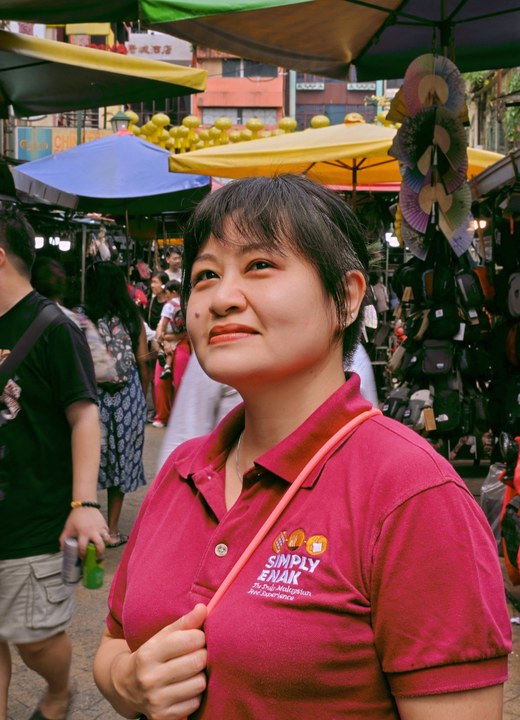
Pauline
Simply Enak Food Experiences
Pauline has been guiding food tours in Malaysia since 2011, sharing hidden gems and family-run stalls with travellers from around the world.
You might also like